
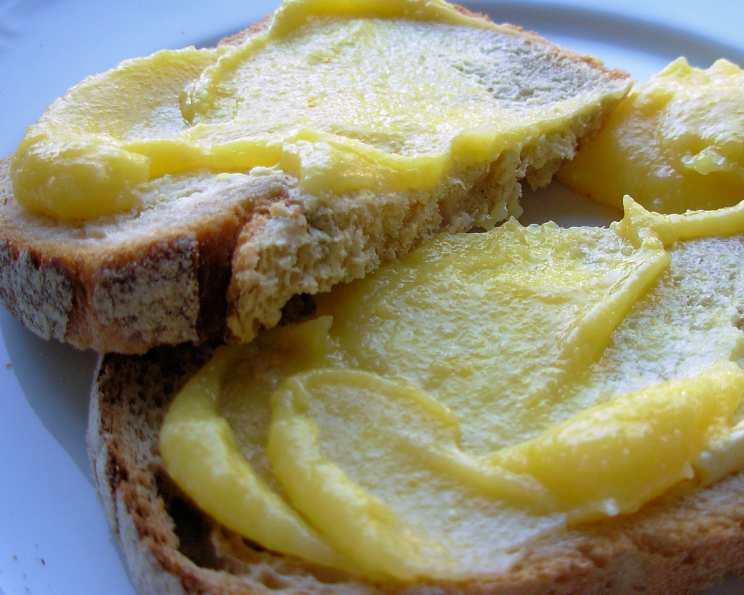
The National Trust Heritage Lemon Curd: Crock Pot or Traditional
The scent of lemons always takes me back to my grandmother’s kitchen. Sunlight streamed through the window, illuminating dust motes dancing above her worn wooden counter as she carefully zested lemons for her famous lemon bars. The air was thick with the bright, tangy aroma, a promise of sunshine even on the dreariest of days. She’d always let me sneak a taste of the curd, the sweet and tart explosion a pure delight that cemented my lifelong love affair with all things lemon. This recipe, reminiscent of those cherished memories, captures that very essence, offering a taste of nostalgia in every spoonful.
Recipe Overview
- Prep Time: 15 minutes
- Cook Time (Crock Pot): 1.5 – 2 hours
- Cook Time (Traditional): 20-30 minutes
- Total Time (Crock Pot): 1 hour 45 minutes – 2 hours 15 minutes
- Total Time (Traditional): 35-45 minutes
- Yield: Approximately 4 small jars
- Dietary Type: Vegetarian
Ingredients
- 3 large lemons, unwaxed and organic, juice and zest of
- 4 large eggs, lightly beaten
- 6 ounces caster sugar or 6 ounces superfine sugar
- 4 ounces unsalted butter, cut into cubes
Optional additions:
- 2 large oranges, juice and zest of
- 4 limes, juice and zest of
Equipment Needed
- Slow cooker (Crock-Pot) or saucepan
- Heatproof bowl (large enough to fit inside slow cooker or rest on saucepan)
- Wooden spoon
- Whisk
- Sieve/Strainer
- Sterilized jars with lids
- Tongs (for handling hot jars)
Instructions
This recipe provides two methods for creating delicious lemon curd: a slow cooker (Crock-Pot) method, and a more traditional stovetop method.
Crock-Pot Method:
-
Begin by preparing your slow cooker. Pour about 2 inches/5 cm of very hot water into the ceramic part of your slow cooker. Turn the slow cooker onto high heat. This creates a bain marie effect.
-
In a large heatproof bowl that will fit inside your slow cooker, combine the lemon juice, lemon zest, sugar, and cubed butter.
-
Place the bowl into the slow cooker. Pour near-boiling water into the slow cooker until it comes halfway up the sides of the bowl. This gently and evenly heats the mixture.
-
Allow the mixture to sit in the slow cooker for approximately 15 minutes, stirring occasionally, until the sugar has completely dissolved and the butter has fully melted. This ensures a smooth, even curd.
-
Remove the bowl from the slow cooker and let it cool slightly for a few minutes.
-
Reduce the slow cooker heat to low.
-
In a separate bowl, beat the eggs lightly. Strain the beaten eggs through a sieve into the lemon curd mixture. This removes any bits of chalazae (the white strings) for an extra smooth texture. Whisk the mixture thoroughly to combine.
-
Cover the bowl with a lid or aluminum foil (if a lid is unavailable). Place the covered bowl back into the slow cooker.
-
Cook the lemon curd on low heat for approximately 1 ½ to 2 hours, or until it thickens enough to coat the back of a wooden spoon. Stir the mixture every 15 to 25 minutes. If you’re short on time, it can be left unstirred for longer periods (around 30 minutes) without significant harm, but regular stirring is best practice.
-
Important Note: If the mixture appears curdled at any point during the cooking process, don’t panic! A brisk whisk at the end of the cooking time should bring it all back together, creating a smooth and luscious curd.
-
Once the lemon curd has reached the desired consistency, carefully pour it into warmed, sterilized jars. Cover and seal immediately.
-
Allow the jars to cool slightly before storing. You can store the sealed jars in a cool, dark place or, ideally, in the refrigerator for up to 3 months. Once a jar is opened, it must be refrigerated and consumed within one month.
Traditional Cooking Method:
-
Zest the lemons and squeeze out the lemon juice.
-
In a large heatproof bowl (stainless steel or glass) set over a pan of simmering water (making sure the bottom of the bowl doesn’t touch the water), combine the sugar, lemon zest, lemon juice, cubed butter, and lightly beaten eggs. This creates a gentle, indirect heat source.
-
Stir continuously with a wooden spoon until the mixture thickens and the curd coats the back of the spoon. This typically takes about 20-30 minutes. Be patient and don’t let the water boil too vigorously, as this can cause the eggs to scramble.
-
Once the lemon curd is thick enough, immediately pour it into warmed, sterilized jars. Cover, seal, and label.
-
Refrigerate the sealed jars for storage.
Expert Tips & Tricks
- Sterilizing Jars: To sterilize the jars, wash them in hot, soapy water, rinse well, and then place them in a preheated oven at 250°F (120°C) for 10-15 minutes. Alternatively, you can run them through a hot dishwasher cycle.
- Tang Level: If you prefer a less tangy lemon curd, increase the sugar by 2 to 3 ounces or use only 2 lemons.
- Preventing Scrambled Eggs: The key to avoiding scrambled eggs is to use gentle heat and constant stirring, especially with the traditional method. If you notice the eggs starting to scramble, immediately remove the bowl from the heat and whisk vigorously.
- Lumpy Curd Fix: If, despite your best efforts, the curd is lumpy, you can strain it through a fine-mesh sieve after cooking. This will create a perfectly smooth and creamy texture.
- Butter Temperature: Make sure the butter is cold. This will give a smoother finish.
- Zest with Care: Make sure you only zest the yellow part of the lemon. The white pith underneath is bitter.
Serving & Storage Suggestions
The applications for lemon curd are truly endless! Spread it generously on freshly baked bread, scones, crumpets, muffins, or hot buttered toast. It’s also delicious on pancakes, waffles, and crepes. Use it as a filling for cakes, tarts (like my recipe #176514), or even cookies. A jar or two of homemade lemon curd makes a thoughtful and appreciated gift. Tie a pretty ribbon around the neck of the jar and attach a recipe tag with serving suggestions.
Unopened jars of lemon curd stored in a cool, dark place or refrigerated will keep for up to 3 months. Once opened, the jar must be refrigerated and consumed within one month. It’s not recommended to freeze lemon curd, as the texture may change upon thawing.
Nutritional Information
Please note that these values are estimates and can vary based on specific ingredients and portion sizes.
| Nutrient | Amount per Serving | % Daily Value* |
|---|---|---|
| Calories | 200 kcal | 10% |
| Total Fat | 15g | 23% |
| Saturated Fat | 9g | 45% |
| Cholesterol | 140mg | 47% |
| Sodium | 30mg | 1% |
| Total Carbohydrate | 15g | 5% |
| Dietary Fiber | 0g | 0% |
| Sugars | 15g | N/A |
| Protein | 2g | 4% |
- Percent Daily Values are based on a 2000 calorie diet.
Variations & Substitutions
- St. Clement’s Curd: For a delightful twist, replace some or all of the lemons with oranges and/or limes. This creates a “St. Clement’s Curd,” inspired by the nursery rhyme “Oranges and Lemons – The Bells of St. Clements.” Use 2 oranges, juice and zest of, large or 4 limes, juice and zest of.
- Other Citrus Fruits: Experiment with grapefruit, mandarin oranges, or even yuzu for unique flavor profiles.
- Dairy-Free Option: While the classic recipe relies on butter, you could try substituting it with a high-quality plant-based butter alternative, although the texture and flavor will be slightly different.
FAQs (Frequently Asked Questions)
Q: Why use unwaxed and organic lemons?
A: Unwaxed lemons are essential because you’re using the zest, and you don’t want to ingest any wax or chemicals. Organic ensures no pesticides are present in the zest.
Q: Can I use bottled lemon juice instead of fresh?
A: Freshly squeezed lemon juice provides the best flavor and acidity for the curd. Bottled juice often lacks the same vibrancy.
Q: How do I know when the lemon curd is thick enough?
A: The curd is ready when it coats the back of a wooden spoon and leaves a clear trail when you run your finger through it. It will also thicken slightly as it cools.
Q: What if my lemon curd is too thick?
A: If the curd becomes too thick, whisk in a tablespoon or two of warm water or lemon juice to loosen it up.
Q: Can I make this recipe ahead of time?
A: Yes, lemon curd can be made a day or two in advance. Simply store it in an airtight container in the refrigerator until ready to use.
Final Thoughts
Whether you choose the convenient slow cooker method or the traditional stovetop approach, this National Trust Heritage Lemon Curd recipe is sure to become a new favorite. The bright, tangy flavor is a delightful addition to countless treats and makes a wonderful homemade gift. Don’t hesitate to experiment with different citrus fruits to create your own signature curd. I encourage you to give this recipe a try and share your feedback! Perhaps pair it with a classic shortbread cookie for an afternoon tea treat. Happy cooking!