
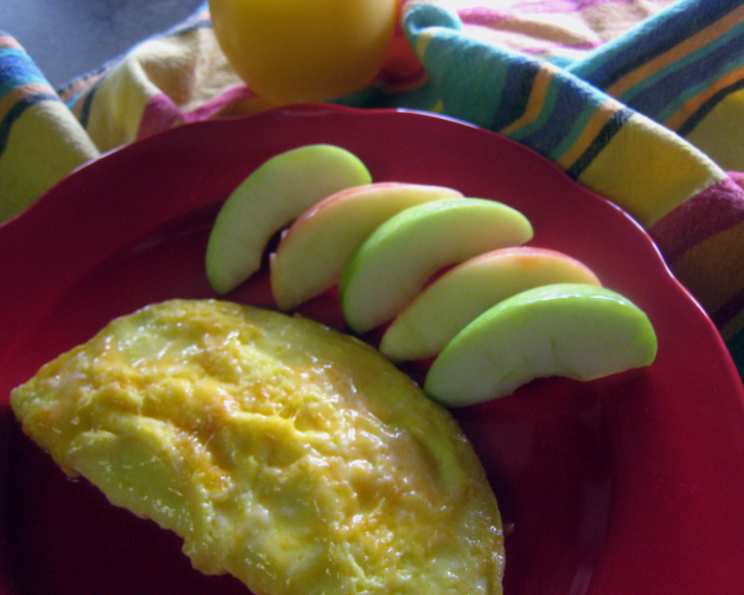
The Ultimate Three Cheese Omelet: A Culinary Classic
There are few things that evoke a comforting weekend morning quite like the aroma of butter melting in a pan, followed by the savory scent of cheese transforming into molten perfection. My grandmother, a woman whose kitchen was a haven of warmth and deliciousness, always said the secret to a great omelet was simple: good ingredients, a hot pan, and a generous helping of love. I remember standing on a stool beside her, mesmerized as she expertly flipped those golden, cheesy pockets of joy. It wasn’t just breakfast; it was a ritual, a connection, and a memory I cherish with every bite. This three-cheese omelet recipe captures that same spirit – simple, elegant, and undeniably delicious.
Recipe Overview
- Prep Time: 5 minutes
- Cook Time: 10 minutes
- Total Time: 15 minutes
- Servings: 1
- Yields: 1 omelet
- Dietary Type: Gluten-Free
Ingredients
- 1 tablespoon melted butter
- 3 large eggs, beaten well
- 1 ounce mild cheddar cheese, shredded
- 1 ounce aged provolone cheese, diced
- 1 ounce aged Swiss cheese, diced
- Salt and pepper to taste
Equipment Needed
- 8-inch non-stick skillet
- Whisk
- Spatula
Instructions
-
Begin by ensuring all your ingredients are prepped and ready to go. This is crucial because the cooking process happens quickly. Beat the 3 large eggs in a bowl until they are well combined and slightly frothy. Season generously with salt and pepper. Dice the aged provolone cheese and aged Swiss cheese into small, uniform pieces. Shred the mild cheddar cheese. Having everything measured and chopped will ensure a smooth and stress-free cooking experience.
-
Place an 8-inch non-stick skillet over medium heat. Add the 1 tablespoon of melted butter to the skillet. Allow the butter to melt completely and coat the bottom of the pan evenly. The pan should be hot enough that the butter sizzles gently but not so hot that it browns immediately. Using a non-stick skillet is crucial for easy flipping and preventing the omelet from sticking.
-
Pour the beaten eggs into the hot skillet. Let the eggs begin to set around the edges, using a spatula to gently push the cooked egg towards the center of the pan, allowing the uncooked egg to flow underneath. This creates a layered, evenly cooked base. As the eggs continue to thicken, work quickly but gently.
-
Once the eggs are mostly set but still slightly moist on top, evenly distribute the shredded cheddar cheese, diced provolone cheese, and diced Swiss cheese over the surface of the eggs. Make sure the cheese is spread evenly so that every bite is cheesy and delicious.
-
As the cheese begins to melt, and before the eggs get brown on the bottom, it’s time to flip or turn the egg mixture over. This can be done in a few ways. For a classic omelet fold, use a spatula to carefully fold half of the omelet over the other half. Alternatively, you can use a large spatula to completely flip the omelet, ensuring you don’t break it. A gentle and confident hand is key here.
-
Continue to cook the omelet until the cheese is fully melted and gooey, and the eggs are cooked through but still slightly soft. This usually takes another 1-2 minutes. Watch carefully to prevent burning.
-
Turn the omelet one more time to ensure even cooking and melting of the cheese. This final turn helps create a beautiful golden-yellow color on both sides.
-
The finished omelet will have a nice yellow color with the cheese melted and bubbling. Carefully slide the omelet from the skillet onto a serving plate.
-
Serve immediately.
Expert Tips & Tricks
- Achieving the Perfect Egg Texture: The key to a perfectly cooked omelet is to avoid overcooking the eggs. They should be set but still slightly moist. This will result in a tender, creamy interior.
- Cheese Placement is Key: Distributing the cheese evenly ensures that every bite is filled with cheesy goodness. Avoid clumping the cheese in one area, as this can lead to uneven melting.
- Don’t Overcrowd the Pan: Using an 8-inch skillet ensures that the omelet is the right thickness. Overcrowding the pan can result in a soggy omelet.
- Enhance the Flavor: Consider adding a pinch of garlic powder or onion powder to the egg mixture for an extra layer of flavor.
- Preheat the Plate: Warming the serving plate in a low oven ensures that the omelet stays warm while you prepare any accompaniments.
Serving & Storage Suggestions
Serve your three-cheese omelet immediately while it’s hot and the cheese is deliciously melted. Garnish with fresh herbs like chives or parsley for a pop of color and freshness. A side of crispy bacon, sausage, or a slice of toasted whole-wheat bread complements the rich flavors of the omelet perfectly.
If you happen to have any leftovers (though it’s unlikely!), store them in an airtight container in the refrigerator. Leftover omelet will keep for up to 3 days. Reheat gently in a skillet over low heat or in the microwave. Be aware that reheating may slightly alter the texture of the eggs.
Do not leave the omelet at room temperature for more than 2 hours. Freezing is not recommended as it can drastically change the texture of the eggs, making them watery and rubbery.
Nutritional Information
Here’s an estimate of the nutritional information per serving:
| Nutrient | Amount per Serving | % Daily Value |
|---|---|---|
| Calories | 643.8 kcal | N/A |
| Calories from Fat | 461 g | 72% |
| Total Fat | 51.2 g | 78% |
| Saturated Fat | 27.8 g | 139% |
| Cholesterol | 740.4 mg | 246% |
| Sodium | 770.6 mg | 32% |
| Total Carbohydrate | 3.7 g | 1% |
| Dietary Fiber | 0 g | 0% |
| Sugars | 1.8 g | N/A |
| Protein | 40.9 g | 81% |
Note: Nutritional information is an estimate and may vary based on specific ingredients and preparation methods.
Variations & Substitutions
- Spice it Up: Add a pinch of red pepper flakes to the egg mixture for a touch of heat.
- Add Vegetables: Sauté diced onions, peppers, mushrooms, or spinach and add them to the omelet along with the cheese.
- Different Cheese Combinations: Experiment with different cheese combinations such as Gruyere, Fontina, or Pepper Jack.
- Herbed Omelet: Add fresh herbs like thyme, rosemary, or oregano to the egg mixture for an aromatic twist.
- Meat Lovers Omelet: Add cooked bacon, sausage, or ham to the omelet along with the cheese.
FAQs (Frequently Asked Questions)
Q: Can I use pre-shredded cheese?
A: While convenient, pre-shredded cheese often contains cellulose, which can prevent it from melting as smoothly. For best results, shred your own cheese.
Q: What if I don’t have aged provolone or Swiss cheese?
A: Feel free to substitute with any cheese that melts well and has a good flavor. Monterey Jack or mozzarella would be great alternatives.
Q: How do I prevent the omelet from sticking to the pan?
A: Using a non-stick skillet and ensuring the pan is properly heated before adding the butter are key. Also, don’t be afraid to use a little extra butter if needed.
Q: Can I make this omelet ahead of time?
A: Omelets are best enjoyed immediately. Making them ahead of time will result in a loss of texture and flavor.
Q: My omelet is browning too quickly. What should I do?
A: Reduce the heat to low and continue cooking until the cheese is melted. You can also add a small amount of butter to the pan to prevent sticking.
Final Thoughts
There you have it – the ultimate three-cheese omelet recipe, a culinary classic that’s perfect for a lazy weekend brunch or a quick and satisfying weeknight meal. Don’t be afraid to experiment with different cheese combinations and add-ins to create your own signature omelet. The most important thing is to have fun and enjoy the process. So grab your skillet, gather your ingredients, and get ready to create a truly unforgettable breakfast experience. I encourage you to share your creations and feedback – I’d love to hear about your omelet adventures! Bon appétit!