
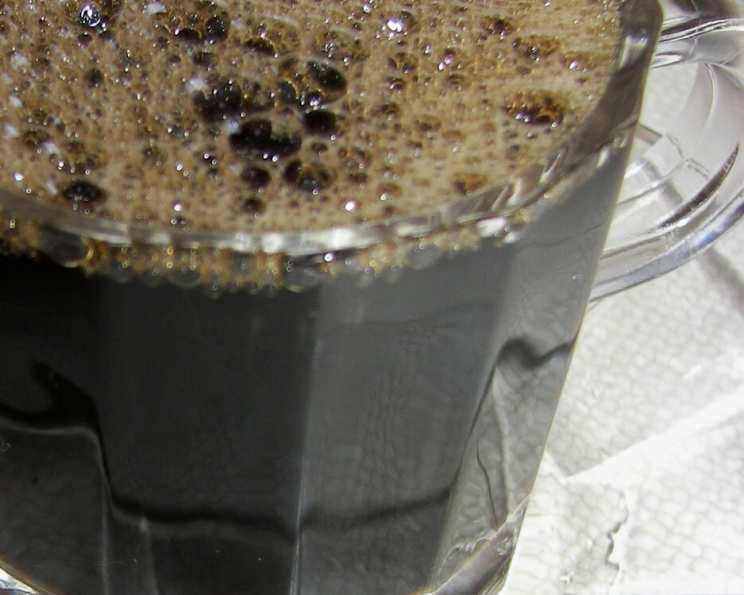
The Rich Ritual of Turkish Coffee: Kahve
The scent of cardamom and roasted coffee beans instantly transports me back to my childhood summers. My grandmother, a woman of few words but immense warmth, would patiently show me the secrets of making perfect kahve. The rhythmic stirring in the cezve, the careful watching for the first rise, the anticipation of that first, rich sip – these were moments that wove themselves into the fabric of my earliest memories, a connection to heritage and home brewed into every cup.
Recipe Overview:
- Prep Time: 2 minutes
- Cook Time: 4 minutes
- Total Time: 6 minutes
- Servings: 1 espresso size cup
- Yields: 1 espresso size cup
- Dietary Type: Varies depending on milk use – Can be Vegetarian, Vegan or Dairy Free
Ingredients:
These measurements are for one espresso-size cup of coffee. Adjust accordingly for larger servings.
-
Sade (Unsweetened):
- 1 cup cold water (espresso size cup)
- 1 teaspoon Turkish coffee powder
-
Orta (Moderately Sweetened):
- 1 cup cold water (espresso size cup)
- 1 teaspoon Turkish coffee powder
- 1 teaspoon sugar
-
Cok Sekerli (Very Sweet):
- 1 cup cold water (espresso size cup)
- 1 teaspoon Turkish coffee powder
- 1 1/2 teaspoons sugar, you may add more if you have a sweet tooth
-
Orta Sutlu (Moderately Sweetened with Milk):
- 1 cup cold milk (espresso size cup) (dairy or non-dairy)
- 1 teaspoon Turkish coffee powder
- 1 teaspoon sugar
Equipment Needed:
- Cezve (traditional Turkish coffee pot) or a very small saucepan
- Stove
- Espresso-size cup for serving
- Spoon
Instructions:
-
Combine Ingredients: Place one espresso-size cup of cold water or cold milk (depending on your chosen variety) into the cezve or a very small pot. It’s crucial to use cold liquid for the best extraction and foam.
-
Add Coffee: Add one teaspoon of powdered Turkish coffee into the cezve. The finer the grind of the coffee, the better the resulting brew. Turkish coffee should be ground to an almost flour-like consistency.
-
Sweeten (Optional): Add sugar if desired, depending on which variety you wish to drink. Remember that Orta is moderately sweet, and Cok Sekerli is very sweet.
-
Stir and Heat: Stir the mixture well to ensure the coffee and sugar dissolve evenly in the cold liquid. Immediately place the cezve on the stove over medium-low heat. Resist the urge to stir after this point, as it can disrupt the formation of the desired foam.
-
Watch Carefully: This is the most critical step. The coffee will gradually heat up, and a dark foam will begin to form on the surface. Keep a close eye on the cezve as the coffee begins to rise.
-
First Rise: As the coffee rises, immediately remove the cezve from the heat before it boils over. Use a spoon to carefully scoop one spoonful of the foam into your serving cup. This froth is what makes Turkish coffee so unique.
-
Second Rise (and possibly Third): Return the cezve to the heat and cook until the coffee rises again. Repeat the process of removing it from the heat and spooning another spoonful of froth into the serving cup. You can repeat this process two or three times in total, each time adding more froth to the cup.
-
Pour and Serve: Once the repetitions are complete (either two or three times), pour the remaining coffee from the cezve into the serving cup. Pour slowly to preserve the remaining foam.
-
Settle Briefly: Allow the coffee to settle for a minute or two before serving. This allows the grounds to settle at the bottom of the cup.
-
Enjoy: Turkish coffee is traditionally served without stirring. Do not drink the grounds at the bottom of the cup.
Expert Tips & Tricks:
- Use Freshly Ground Coffee: The fresher the coffee, the better the flavor. Grind your own beans just before brewing for the most aromatic and flavorful cup.
- Grind Size Matters: Turkish coffee requires an ultra-fine grind, finer than espresso. If you don’t have a Turkish coffee grinder, ask your local coffee shop to grind it for you.
- Low and Slow: Brewing over low heat is essential to prevent burning and ensure even extraction.
- Patience is Key: Don’t rush the process! Watching the coffee rise and carefully removing the foam is part of the ritual.
- Adjust Sweetness: Feel free to adjust the amount of sugar to your personal preference. Start with the recommended amount and adjust accordingly.
- Foam Retention: For best foam retention, make sure your cup is clean and free of any oils or residue. Warming the cup beforehand can also help.
- Prevent Boiling Over: Keeping a close eye on the cezve is key to preventing boil-overs. If you see it rising too quickly, lift the pot off the heat for a few seconds before returning it.
- Clean up immediately: Turkish Coffee is very messy and sticky if left, especially if the coffee boils over.
Serving & Storage Suggestions:
Turkish coffee is best enjoyed immediately after brewing, while it is still hot and the foam is intact. Traditionally, it is served with a glass of water to cleanse the palate and a small treat, such as Turkish delight or a piece of dark chocolate.
Leftover brewed Turkish coffee is not recommended for storage. Once brewed, the grounds continue to steep, making the coffee bitter over time. For the best flavor, always brew fresh.
Nutritional Information:
The nutritional information will vary depending on whether you use water or milk, and the amount of sugar added. The table below is an approximate for Orta (moderately sweetened) made with water:
| Nutrient | Amount per Serving | % Daily Value |
|---|---|---|
| Calories | ~15 kcal | ~1% |
| Total Fat | ~0g | ~0% |
| Saturated Fat | ~0g | ~0% |
| Cholesterol | ~0mg | ~0% |
| Sodium | ~1mg | ~0% |
| Total Carbohydrate | ~4g | ~1% |
| Dietary Fiber | ~0g | ~0% |
| Sugars | ~4g | ~8% |
| Protein | ~0g | ~0% |
Note: These values are estimates and may vary.
Variations & Substitutions:
- Cardamom Coffee: Add a pinch of ground cardamom to the coffee grounds before brewing for a fragrant and aromatic twist.
- Cinnamon Coffee: Similar to cardamom, a pinch of cinnamon can add a warm and comforting flavor.
- Spiced Coffee: Create your own blend of spices by adding a combination of cardamom, cinnamon, cloves, and nutmeg.
- Chocolate Coffee: Add a teaspoon of unsweetened cocoa powder to the coffee grounds for a mocha-like flavor.
- Vegan Option: Easily make Turkish coffee vegan by using plant-based milk, such as almond, soy, or oat milk.
- Sugar-Free: Use a sugar substitute like stevia or erythritol for a sugar-free version.
FAQs (Frequently Asked Questions):
Q: What is a cezve?
A: A cezve is a traditional Turkish coffee pot, typically made of copper or brass, with a long handle and a narrow neck. Its shape helps to create the characteristic foam.
Q: Can I use regular coffee instead of Turkish coffee?
A: While you can use regular coffee, it won’t produce the same results. Turkish coffee is ground much finer, which is essential for the brewing process and the formation of foam.
Q: How do I know when the coffee is ready?
A: The coffee is ready when it starts to rise rapidly and form a thick foam on top. Remove it from the heat before it boils over.
Q: Why is it important not to stir the coffee after adding it to the water?
A: Stirring after heating begins can disrupt the formation of the foam, which is a crucial part of Turkish coffee.
Q: What do I do with the coffee grounds at the bottom of the cup?
A: Do not drink the coffee grounds. They are meant to settle at the bottom of the cup.
Final Thoughts:
More than just a beverage, Turkish coffee is a ritual, a conversation starter, and a connection to centuries of tradition. It’s a moment to slow down, savor the rich aromas, and appreciate the simple pleasures in life. I encourage you to try this recipe, experiment with different variations, and create your own special memories around this beloved brew. Let me know what you think, and feel free to share your own experiences with Turkish coffee! Afiyet olsun! (Enjoy!)