
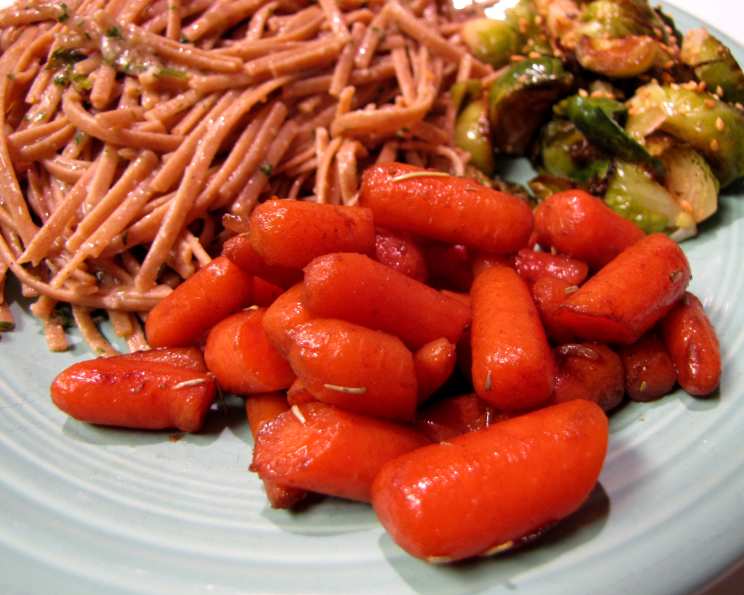
Two Vinegar Carrots: A Symphony of Sweetness and Tang
I remember the first time I tasted carrots prepared this way. It was at a small bistro tucked away on a cobblestone street during a trip to Tuscany. The simplicity of the dish, the vibrant colors, and the unexpectedly complex flavor profile – the sweetness of the carrots dancing with the tang of vinegar – utterly captivated me. It was a humble side dish that tasted like a culinary revelation. This recipe, inspired by that experience, attempts to capture that magic, bringing a little bit of Italian sunshine to your table.
Recipe Overview
- Prep Time: 10 minutes
- Cook Time: 20 minutes
- Total Time: 30 minutes
- Servings: 6-8
- Dietary Type: Vegetarian, Gluten-Free
Ingredients
- 2 lbs baby carrots, or whole carrots (peeled and sliced)
- 1 pinch salt
- 1/4 cup red wine vinegar
- 2 tablespoons balsamic vinegar
- 2 teaspoons fresh rosemary, chopped
- 2 tablespoons olive oil
- 1/2 – 1 sweet onion, chopped (use 1/2 for a milder flavor, 1 for a more pronounced onion taste)
- Salt and pepper to taste
Equipment Needed
- Large saucepan
- Colander
- Small bowl or jar
- Large skillet
Instructions
-
Begin by bringing several quarts of water to a boil in a large saucepan. This initial boiling step helps to partially cook the carrots, ensuring they become tender and absorb the flavorful vinegar mixture later on.
-
Add the carrots and a pinch of salt to the boiling water. The salt seasons the carrots from the inside out.
-
Cook the carrots until they are a little underdone, about 8-12 minutes. The cooking time will vary depending on whether you use baby carrots or sliced whole carrots; baby carrots will cook faster. You want them to be tender-crisp, still offering a slight resistance to the bite.
-
Drain the carrots thoroughly in a colander and set them aside. Removing all excess water is crucial for the next steps.
-
In a small bowl or jar, mix together the red wine vinegar, balsamic vinegar, and chopped fresh rosemary. The combination of these three ingredients creates the foundational flavor profile of the dish. Set the mixture aside; this allows the rosemary to infuse the vinegars.
-
Heat the olive oil in a large skillet over medium heat. Make sure the skillet is large enough to accommodate all the carrots.
-
Add the chopped onion to the skillet and sauté over medium heat until golden, about 3-5 minutes. Sautéing the onion first releases its sweetness and creates a flavorful base for the carrots. Be sure to stir frequently to prevent burning. The onion should be softened and translucent.
-
Add the drained carrots to the skillet with the sautéed onions. Stir and cook for about 1 minute to coat the carrots evenly with the oil and onion mixture.
-
Pour the vinegar mixture (red wine vinegar, balsamic vinegar, and rosemary) into the skillet.
-
Simmer, stirring occasionally, over high heat until the vinegar evaporates, about 5 minutes. During this simmering process, the vinegar will reduce and create a light glaze that coats the carrots beautifully. Watch closely to prevent burning. The carrots should be glistening and coated with the reduced vinegar.
-
Finally, add salt and pepper to taste. Taste the carrots and adjust the seasoning as needed. Serve immediately.
Expert Tips & Tricks
- Carrot Selection: While baby carrots are convenient, using whole carrots that are peeled and sliced offers a more robust flavor and texture. Consider using rainbow carrots for a more visually appealing dish.
- Vinegar Adjustment: If you prefer a less tangy dish, reduce the amount of red wine vinegar slightly. You can also add a teaspoon of honey or maple syrup to balance the acidity.
- Rosemary Alternatives: If fresh rosemary isn’t available, dried rosemary can be used. Use about 1 teaspoon of dried rosemary, as the flavor is more concentrated. Fresh thyme or oregano also work well.
- Make-Ahead Tip: The carrots can be parboiled ahead of time and stored in the refrigerator for up to 24 hours. The vinegar mixture can also be prepared in advance. This makes the final cooking process quick and easy.
- Avoiding a Soggy Result: Ensure the carrots are thoroughly drained after boiling. Excess water will prevent the vinegar from reducing properly and result in a soggy dish.
- Browning the Carrots: For extra flavor and a beautiful presentation, allow the carrots to slightly brown in the skillet after adding the vinegar mixture. Just be careful not to burn them.
Serving & Storage Suggestions
Serve these Two Vinegar Carrots as a side dish alongside roasted chicken, grilled fish, or a hearty vegetarian main course. They also make a delicious addition to a charcuterie board. For an elevated presentation, garnish with a sprinkle of fresh rosemary or a drizzle of balsamic glaze.
Leftover carrots can be stored in an airtight container in the refrigerator for up to 3 days. To reheat, gently warm them in a skillet over medium heat or microwave until heated through. The flavor may intensify slightly upon reheating. These carrots are best enjoyed fresh, but reheating will still yield a delicious result.
Nutritional Information
| Nutrient | Amount per Serving | % Daily Value |
|---|---|---|
| Calories | 85 kcal | 4% |
| Total Fat | 4.5g | 6% |
| Saturated Fat | 0.6g | 3% |
| Cholesterol | 0mg | 0% |
| Sodium | 120mg | 5% |
| Total Carbohydrate | 12g | 4% |
| Dietary Fiber | 3.5g | 14% |
| Sugars | 6g | – |
| Protein | 0.8g | 2% |
Note: Nutritional information is an estimate and may vary based on specific ingredients and portion sizes.
Variations & Substitutions
- Spicy Kick: Add a pinch of red pepper flakes to the vinegar mixture for a touch of heat.
- Maple Glazed: Replace the balsamic vinegar with maple syrup for a sweeter, more caramel-like glaze.
- Citrus Zest: Add the zest of one orange or lemon to the vinegar mixture for a bright, citrusy flavor.
- Garlic Infusion: Add a clove of minced garlic to the skillet along with the onion for a more savory flavor.
- Herb Combinations: Experiment with different herbs, such as thyme, oregano, or parsley, in addition to or instead of rosemary.
- Root Vegetable Medley: Combine the carrots with other root vegetables, such as parsnips, turnips, or sweet potatoes, for a more complex flavor profile.
FAQs (Frequently Asked Questions)
Q: Can I use dried rosemary instead of fresh?
A: Yes, you can substitute dried rosemary for fresh. Use about 1 teaspoon of dried rosemary for every 2 teaspoons of fresh rosemary, as the dried herb is more concentrated.
Q: How do I prevent the carrots from becoming mushy?
A: The key is to not overcook the carrots during the initial boiling stage. Cook them until they are tender-crisp, still slightly firm to the bite. Also, ensure they are well drained before adding them to the skillet.
Q: Can I use a different type of onion?
A: While a sweet onion is recommended, you can use other types of onions, such as yellow or red onions. Keep in mind that the flavor will be slightly different.
Q: Can I make this dish ahead of time?
A: Yes, you can parboil the carrots and prepare the vinegar mixture ahead of time. Store them separately in the refrigerator until ready to cook. This can save time when you’re ready to serve.
Q: What is the best way to reheat the leftover carrots?
A: The best way to reheat the leftover carrots is in a skillet over medium heat. You can also microwave them, but they may become slightly softer.
Final Thoughts
I hope this recipe inspires you to experiment with simple ingredients and discover the magic that can happen when sweet and tangy flavors come together. These Two Vinegar Carrots are a testament to the fact that delicious food doesn’t have to be complicated. Don’t hesitate to adjust the recipe to suit your own taste preferences and ingredient availability. And most importantly, share your culinary creations with loved ones – food is always best when enjoyed in good company. Pair these carrots with a crisp white wine or a refreshing sparkling cider for a delightful dining experience.