
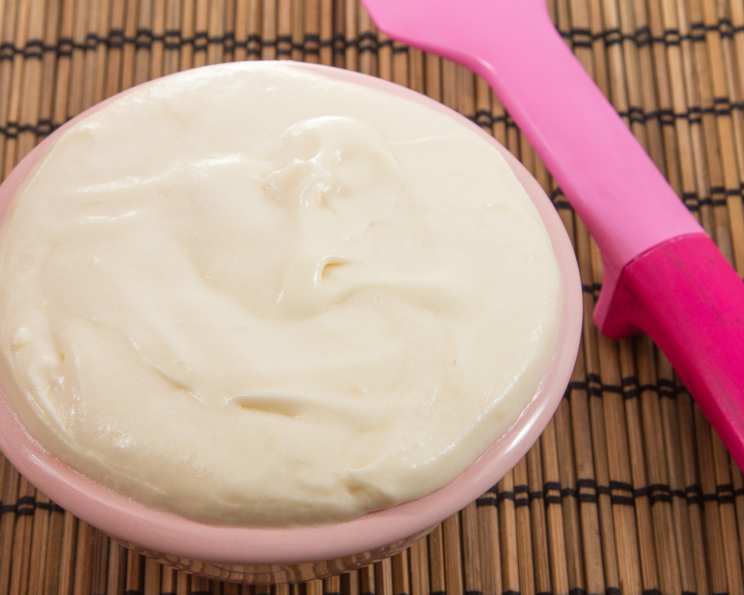
Vanilla Buttercream Frosting: A Classic Recipe for Every Baker
Vanilla buttercream. The very name evokes memories of childhood birthday parties, towering cakes adorned with vibrant sprinkles, and the pure, unadulterated joy of licking the spoon clean. I can almost feel the cool, sugary sweetness melting on my tongue, the comforting aroma filling the kitchen as my grandmother, apron dusted with flour, carefully frosted each cupcake with swirls of this timeless classic. The secret, she always said, was in the creaming of the butter – the longer, the better.
Recipe Overview
- Prep Time: 10 minutes
- Yield: 3 cups
- Dietary Type: Vegetarian
Ingredients
- 1/2 cup butter, softened
- 4 1/2 cups confectioners’ sugar
- 1 1/2 teaspoons vanilla extract
- 5-6 tablespoons 2% low-fat milk
Equipment Needed
- Large mixing bowl
- Electric mixer (handheld or stand mixer)
- Measuring cups and spoons
- Spatula
Instructions
-
In a large bowl, cream the softened butter until it is light and fluffy. This step is crucial for achieving a smooth and airy buttercream. Using an electric mixer is highly recommended for optimal results. Be patient and allow the butter to cream for at least 3-5 minutes, scraping down the sides of the bowl occasionally to ensure even mixing. The butter should transform from a solid block to a pale, almost whipped consistency.
-
Gradually beat in the confectioners’ sugar, starting with a low speed to prevent a sugar cloud. Add the sugar in increments, about one cup at a time, fully incorporating each addition before adding the next. Increase the mixer speed to medium as the mixture thickens.
-
Stir in the vanilla extract. Ensure the vanilla extract is well combined with the butter and sugar mixture for an even flavor distribution.
-
Gradually add the 2% low-fat milk, one tablespoon at a time, beating until you achieve your desired consistency. Start with 5 tablespoons and add the remaining tablespoon if needed. The amount of milk required may vary slightly depending on the humidity and the consistency of your butter and confectioners’ sugar.
-
Continue to beat the frosting for another minute or two, until it is smooth, creamy, and holds its shape well. This final beating helps to incorporate air and create a light and fluffy texture.
Expert Tips & Tricks
-
Softened Butter is Key: Ensure your butter is truly softened, but not melted. It should be easily pliable and leave a slight indentation when pressed. If the butter is too cold, it will be difficult to cream properly. If it’s melted, the frosting may become greasy.
-
Sift the Sugar: Sifting the confectioners’ sugar before adding it to the butter helps to prevent lumps and ensures a smoother frosting.
-
Adjust Consistency: If your frosting is too thick, add a little more milk, one teaspoon at a time, until you reach the desired consistency. If it’s too thin, add a little more confectioners’ sugar, one tablespoon at a time.
-
Coloring Your Frosting: Gel food coloring is best for coloring buttercream frosting, as it is highly concentrated and will not alter the consistency of the frosting as much as liquid food coloring.
-
Piping Perfection: For professional-looking piped decorations, use a piping bag fitted with your desired tip. Practice piping on parchment paper before decorating your cake or cupcakes.
Serving & Storage Suggestions
This vanilla buttercream frosting is perfect for frosting cakes, cupcakes, cookies, and other desserts. It can also be used as a filling for pastries and sandwich cookies.
-
Serving: For best results, frost your cake or cupcakes shortly before serving. This will prevent the frosting from drying out or crusting over.
-
Storage:
- Room Temperature: Buttercream frosting can be stored at room temperature for up to 2 days in an airtight container. However, it’s best to store it in the refrigerator, especially if it’s warm in your kitchen.
- Refrigerator: Buttercream frosting can be stored in the refrigerator for up to a week in an airtight container. Before using, bring it to room temperature and re-whip it with an electric mixer to restore its smooth and fluffy texture.
- Freezer: Buttercream frosting can be frozen for up to 2-3 months in an airtight container. Thaw it in the refrigerator overnight and re-whip it with an electric mixer before using.
Nutritional Information
| Nutrient | Amount per Serving | % Daily Value |
|---|---|---|
| Calories | 990 kcal | N/A |
| Calories from Fat | 280 g | 28% |
| Total Fat | 31.2 g | 47% |
| Saturated Fat | 19.8 g | 98% |
| Cholesterol | 83.3 mg | 27% |
| Sodium | 285.6 mg | 11% |
| Total Carbohydrate | 181.1 g | 60% |
| Dietary Fiber | 0 g | 0% |
| Sugars | 177.6 g | 710% |
| Protein | 1.1 g | 2% |
Variations & Substitutions
-
Almond Buttercream Frosting: Substitute 1/2 to 3/4 teaspoon almond extract for the vanilla. This adds a subtle nutty flavor to your frosting.
-
Chocolate Buttercream Frosting: Reduce the confectioners’ sugar to 4 cups and add 1/2 cup baking cocoa; increase the milk to 6-7 tablespoons. This creates a rich and decadent chocolate frosting.
-
Lemon Buttercream Frosting: Substitute 5-6 tablespoons lemon juice for the milk; add 1 teaspoon grated lemon peel. The lemon juice adds a bright, tangy flavor that complements the sweetness of the sugar.
-
Orange Buttercream Frosting: Substitute 5-6 tablespoons orange juice for the milk; add 1 teaspoon grated orange peel. This variation offers a citrusy and refreshing twist.
-
Peanut Butter Frosting: Substitute peanut butter for the butter; increase the milk to 6-8 tablespoons. This creates a creamy and delicious peanut butter frosting.
-
Peppermint Buttercream Frosting: Substitute 1/2 to 3/4 teaspoon peppermint extract for the vanilla. This is perfect for holiday baking!
FAQs (Frequently Asked Questions)
Q: Why is my buttercream grainy?
A: This often happens if the confectioners’ sugar isn’t fully incorporated or if the butter wasn’t creamed enough initially. Make sure to cream the butter well and add the sugar gradually.
Q: My buttercream is too soft. How can I fix it?
A: Add confectioners’ sugar one tablespoon at a time until you reach the desired consistency. Make sure to beat well after each addition.
Q: Can I make this frosting ahead of time?
A: Yes, buttercream frosting can be made ahead of time and stored in the refrigerator or freezer as described in the storage suggestions.
Q: Can I use salted butter instead of unsalted?
A: While you can, unsalted butter is generally preferred for buttercream to control the salt level. If using salted butter, consider omitting a pinch of salt if you typically add it.
Q: Can I use this recipe for piping decorations?
A: Yes, this recipe is suitable for piping decorations. For best results, ensure that the frosting is thick enough to hold its shape. If necessary, add a little more confectioners’ sugar.
Final Thoughts
Vanilla buttercream frosting is a staple in any baker’s repertoire, and this recipe provides a reliable and delicious foundation for countless creations. Don’t be afraid to experiment with different extracts, flavorings, and colors to create your own signature buttercream. Whether you’re frosting a celebratory cake or simply adding a touch of sweetness to a batch of cookies, this classic recipe is sure to delight. So, grab your mixer, gather your ingredients, and get ready to experience the pure joy of homemade buttercream! I hope you give this recipe a try and I’d love to hear about your experiences in the comments!