
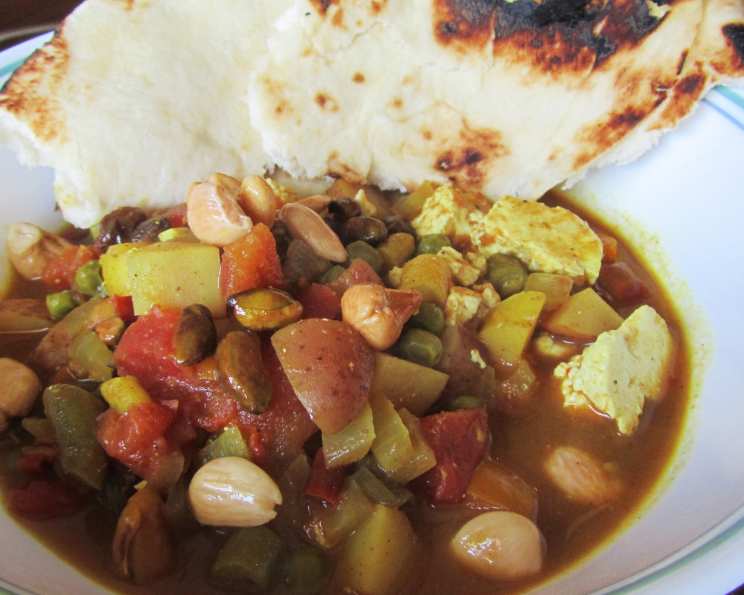
A Heart-Healthy Journey: Crafting the Perfect Vegetable Korma
I remember the first time I tasted korma. It was at a tiny Indian restaurant tucked away on a rainy street in London. The aroma alone – a symphony of warm spices and creamy richness – was enough to draw me in from the cold. That first bite, a revelation of tender vegetables bathed in a luscious, fragrant sauce, ignited a lifelong love affair with this comforting dish. Today, I’m excited to share a version that’s not only packed with flavor but also mindful of your well-being.
Recipe Overview
- Prep Time: 25 minutes
- Cook Time: 20 minutes
- Total Time: 45 minutes
- Servings: 4
- Dietary Type: Reduced Fat, High Protein
Ingredients
- 1 tablespoon vegetable oil
- 1/3 cup mixed unsalted nuts (cashews, pistachios, almonds)
- 1 medium onion, finely chopped
- 1/2 teaspoon garlic paste
- 1/2 teaspoon ginger paste
- 1 cup tomato sauce, low sodium
- 1 teaspoon cayenne pepper
- 1/2 teaspoon ground turmeric
- 2 teaspoons ground coriander
- 1 teaspoon garam masala
- 1 cup water
- 1/4 cup raisins
- 1/2 cup chopped carrot
- 1/2 cup chopped green bell pepper
- 1/2 cup chopped green beans
- 1/2 cup green peas
- 1 cup potato, chopped
- 1 cup fat-free cottage cheese, crumbled (pressed) or 1 cup paneer cheese (which is 12 percent total fat for 1 ounce)
- 1/2 cup 1% low-fat milk
- 1/4 teaspoon salt
Equipment Needed
- Large Skillet
- Measuring cups and spoons
- Cutting board
- Knife
Instructions
- Begin by heating 1 tablespoon of vegetable oil in a large skillet over medium heat. Ensure the skillet is evenly heated before adding the nuts.
- Add 1/3 cup of mixed unsalted nuts (cashews, pistachios, almonds) to the skillet. Cook and stir continuously until they turn golden brown. This usually takes about 2-3 minutes. Be careful not to burn them, as this will impart a bitter taste. Once browned, remove the nuts from the skillet and set them aside.
- In the same skillet, add 1 medium onion that has been finely chopped. Cook the onion until it becomes tender and translucent, which generally takes around 5-7 minutes. Stir frequently to prevent sticking or burning.
- Once the onion is tender, mix in 1/2 teaspoon of garlic paste and 1/2 teaspoon of ginger paste. Cook for an additional minute, stirring constantly to allow the flavors to meld together. The aroma should be fragrant and inviting.
- Stir in 1 cup of low-sodium tomato sauce, 1 teaspoon of cayenne pepper, 1/2 teaspoon of ground turmeric, 2 teaspoons of ground coriander, and 1 teaspoon of garam masala. Cook for another 2 minutes, stirring well to combine all the spices with the tomato sauce.
- Pour in 1 cup of water and mix in 1/4 cup of raisins, 1/2 cup of chopped carrot, 1/2 cup of chopped green bell pepper, 1/2 cup of chopped green beans, 1/2 cup of green peas, and 1 cup of chopped potato.
- Bring the mixture to a boil. Once boiling, reduce the heat to low, cover the skillet, and simmer for 20 minutes, or until the potatoes are tender. Check the potatoes periodically by piercing them with a fork. If they slide off easily, they are done.
- Add 1 cup of crumbled, pressed fat-free cottage cheese (or paneer). Gently stir to incorporate the cheese with the vegetables.
- Stir in 1/2 cup of 1% low-fat milk, bring the mixture back to a gentle boil, and continue cooking for 2 to 3 minutes, stirring occasionally. This will help to thicken the sauce and allow the flavors to further meld.
- Season with 1/4 teaspoon of salt. Taste and adjust seasoning as needed. You may want to add a pinch more cayenne pepper if you prefer a spicier korma.
- Finally, garnish with the toasted nuts before serving.
Expert Tips & Tricks
- Toast the Nuts Right: Keep a close watch on the nuts while toasting to prevent burning. Burnt nuts will ruin the entire dish.
- Spice Level Adjustment: Cayenne pepper provides the heat. Adjust the amount according to your spice preference. A pinch of red pepper flakes can be added for extra intensity.
- Creamy Texture Secret: If you want an extra creamy texture without adding more fat, blend a small portion of the cooked vegetables with a little of the sauce and then stir it back into the korma.
- Make-Ahead Magic: The vegetable korma can be made a day ahead. The flavors actually meld and deepen overnight. Store it in an airtight container in the refrigerator and reheat gently before serving.
Serving & Storage Suggestions
Serve the Vegetable Korma hot, garnished with the toasted nuts. It pairs beautifully with basmati rice or naan bread. For a complete meal, consider adding a side of raita (yogurt dip) or a fresh salad.
Leftovers can be stored in an airtight container in the refrigerator for up to 3 days. Reheat gently on the stovetop or in the microwave until heated through. If the korma becomes too thick during storage, add a splash of milk or water while reheating. Freezing is not recommended as the texture of the cottage cheese may change.
Nutritional Information
| Nutrient | Amount per Serving | % Daily Value |
|---|---|---|
| Calories | 185.3 kcal | N/A |
| Calories from Fat | 40g | 22% |
| Total Fat | 4.5 g | 6% |
| Saturated Fat | 0.8 g | 4% |
| Cholesterol | 4.1 mg | 1% |
| Sodium | 619.4 mg | 25% |
| Total Carbohydrate | 30.5 g | 10% |
| Dietary Fiber | 5.1 g | 20% |
| Sugars | 14.4 g | N/A |
| Protein | 8.7 g | 17% |
Variations & Substitutions
- Vegan Korma: Substitute the cottage cheese and low-fat milk with coconut milk for a rich, dairy-free option. Use pressed tofu instead of cottage cheese for added protein.
- Gluten-Free: This recipe is naturally gluten-free. Ensure your garam masala blend is also gluten-free, as some blends may contain added ingredients.
- Vegetable Variations: Feel free to experiment with different vegetables based on what’s in season or your personal preferences. Cauliflower, broccoli, sweet potatoes, or spinach would all be delicious additions.
- Nut-Free Option: If you have nut allergies, you can omit the nuts or substitute them with toasted sunflower seeds or pumpkin seeds for added crunch and flavor.
FAQs (Frequently Asked Questions)
Q: Can I use pre-made korma paste instead of individual spices?
A: While you can use korma paste, the flavor will be much richer and fresher if you use individual spices. If using a paste, adjust the amount to taste.
Q: How can I make the sauce thicker?
A: If the sauce is too thin, simmer it uncovered for a few more minutes to allow it to reduce. You can also mix a teaspoon of cornstarch with two teaspoons of water to create a slurry, then stir it into the simmering sauce.
Q: Can I add meat to this recipe?
A: Absolutely! Diced chicken or lamb would be a great addition. Brown the meat before adding the onions and follow the recipe as directed. Adjust the cooking time to ensure the meat is fully cooked.
Q: What’s the best type of rice to serve with Vegetable Korma?
A: Basmati rice is a classic choice due to its delicate flavor and fluffy texture. You can also use brown rice for a healthier option.
Q: How do I press the cottage cheese to remove excess water?
A: Wrap the cottage cheese in several layers of cheesecloth or paper towels. Place it in a bowl and put a weight on top (like a can of beans). Let it sit for about 30 minutes to drain the excess water.
Final Thoughts
I encourage you to embark on this culinary adventure and create your own version of this delightful Vegetable Korma. Don’t be afraid to experiment with different vegetables and spices to suit your taste preferences. Whether you’re a seasoned cook or just starting out, this recipe offers a rewarding and flavorful experience. Share your creations and feedback with your friends and family, and most importantly, enjoy the process! This korma is wonderful served with a crisp cucumber and mint raita.