
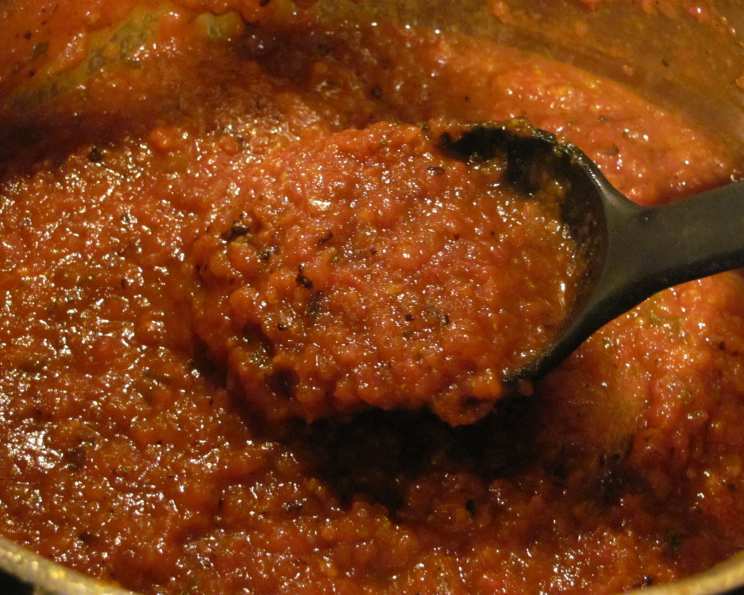
West African Barbecue Sauce: A Taste of the Motherland
I remember the first time I encountered a truly authentic West African barbecue. It wasn’t in a fancy restaurant, but at a bustling street food market in Accra, Ghana. The air was thick with the aroma of grilling meats and the vibrant sounds of highlife music. But what truly captivated me was the barbecue sauce – a complex, layered symphony of sweet, spicy, and smoky notes that danced on my tongue. It was unlike any barbecue sauce I’d ever tasted, and it ignited a passion for West African cuisine that continues to burn brightly today. This recipe captures that essence, bringing the warmth and vibrancy of West African flavors to your own backyard barbecue.
Recipe Overview
- Prep Time: 15 minutes
- Cook Time: 50 minutes
- Total Time: 1 hour 5 minutes
- Yields: 2 1/2 cups
- Serves: 8
- Dietary Type: Gluten-Free, Dairy-Free
Ingredients
- 2 tablespoons olive oil
- 1 medium Spanish onion, diced
- 5 tomatoes, seeded and chopped (or 2 1/2 cups chopped canned tomatoes)
- 2 inches ginger, peeled and grated
- 3 garlic cloves, minced
- 1 serrano chili, seeds and ribs removed and finely chopped
- 2 cups water
- 1/4 cup brewed coffee
- 1 tablespoon tamarind paste
- 2 teaspoons berbere or 2 teaspoons chili powder
- 1/4 teaspoon ground cumin
- 1/4 teaspoon coriander seed, roughly crushed
- 1/4 cup honey
Equipment Needed
- Large saucepan
- Knife
- Cutting board
- Grater
- Measuring cups and spoons
- Wooden spoon or spatula
Instructions
- Begin by heating the olive oil in a large saucepan over high heat. You want the oil shimmering and ready to greet the onion.
- Add the diced Spanish onion to the hot oil and sauté for approximately 5 minutes, or until the onion becomes softened and translucent. Stir occasionally to prevent sticking and ensure even cooking.
- Introduce the seeded and chopped tomatoes (fresh or canned), grated ginger, and minced garlic to the saucepan. Stir well to combine all the ingredients.
- Bring the mixture to a simmer over medium-high heat. Once simmering, stir in the finely chopped serrano chili (remember to remove the seeds and ribs for a milder heat), water, brewed coffee, tamarind paste, berbere (or chili powder), ground cumin, and roughly crushed coriander seed. The aroma at this point should be incredibly enticing!
- Return the sauce to a simmer, then reduce the heat to low. Allow the sauce to gently simmer for 40 minutes, stirring occasionally to prevent sticking and ensure even cooking. This slow simmering process allows the flavors to meld and deepen beautifully.
- After 40 minutes, stir in the honey. Continue to simmer for another 10 minutes, or until the sauce has thickened enough to coat the back of a spoon. This is a crucial step in achieving the desired consistency.
- Remove the saucepan from the heat and allow the West African Barbecue Sauce to cool completely. As it cools, the flavors will continue to develop and deepen.
- Once cooled, store the sauce in a tightly covered container in the refrigerator.
Expert Tips & Tricks
- Spice Level Adjustment: If you prefer a milder sauce, reduce the amount of serrano chili or completely omit it. For extra heat, use a hotter chili pepper or add a pinch of cayenne pepper.
- Coffee Enhancement: The coffee adds a subtle depth and richness to the sauce. Don’t skip it! You can use leftover coffee or even instant coffee granules.
- Tamarind Paste Substitute: If you can’t find tamarind paste, you can substitute with a mixture of equal parts lime juice and brown sugar.
- Berbere Alternative: Berbere is a complex Ethiopian spice blend. If you can’t find it, chili powder is a perfectly acceptable substitute, but consider adding a pinch of paprika, garlic powder, and onion powder to enhance the flavor.
- Consistency Control: If the sauce is too thick, add a tablespoon or two of water to thin it out. If it’s too thin, simmer for a few more minutes until it reaches the desired consistency.
Serving & Storage Suggestions
This West African Barbecue Sauce is incredibly versatile. It’s perfect for grilling chicken, ribs, steak, or even vegetables like eggplant and bell peppers. Slather it on grilled meats during the last few minutes of cooking for a glossy, flavorful glaze.
Serve the sauce alongside your grilled dishes as a dipping sauce, or use it to create flavorful barbecue sandwiches. It’s also delicious as a marinade for tofu or tempeh.
Store any leftover sauce in a tightly covered container in the refrigerator for up to 5 days. For longer storage, you can freeze the sauce in an airtight container for up to 2 months. Thaw completely in the refrigerator before using. Reheat gently on the stovetop or in the microwave.
Nutritional Information
| Nutrient | Amount per Serving | % Daily Value |
|---|---|---|
| Calories | 86.3 kcal | N/A |
| Calories from Fat | 32 g | 37% |
| Total Fat | 3.6 g | 5% |
| Saturated Fat | 0.5 g | 2% |
| Cholesterol | 0 mg | 0% |
| Sodium | 6.7 mg | 0% |
| Total Carbohydrate | 14.2 g | 4% |
| Dietary Fiber | 1.3 g | 5% |
| Sugars | 11.9 g | 47% |
| Protein | 1 g | 1% |
Note: Nutritional information is an estimate and may vary based on specific ingredients and portion sizes.
Variations & Substitutions
- Vegan Version: Ensure that the honey you use is vegan-friendly or substitute with maple syrup or agave nectar.
- Smoked Paprika: Add a teaspoon of smoked paprika for a smoky depth of flavor.
- Fruit Infusion: Try adding a cup of chopped mango or pineapple during the simmering process for a tropical twist.
- Spicier Option: Increase the amount of serrano chili or add a pinch of cayenne pepper for more heat.
- Herbal Boost: Add fresh herbs like thyme or rosemary during the simmering process for an herbaceous note.
FAQs (Frequently Asked Questions)
Q: Can I make this sauce ahead of time?
A: Absolutely! In fact, the flavors tend to meld and deepen even more when the sauce is made a day or two in advance. Store it in the refrigerator until you’re ready to use it.
Q: How can I adjust the sweetness of the sauce?
A: If the sauce is too sweet for your taste, add a splash of lime juice or vinegar to balance the flavors. If it’s not sweet enough, add a little more honey or brown sugar.
Q: Can I use canned tomatoes instead of fresh?
A: Yes, canned chopped tomatoes are a perfectly acceptable substitute for fresh tomatoes. Just be sure to drain off any excess liquid before adding them to the saucepan.
Q: What is berbere, and where can I find it?
A: Berbere is a complex Ethiopian spice blend that typically includes chili peppers, garlic, ginger, basil, and other spices. You can often find it in specialty spice stores or online. If you can’t find it, chili powder is a good substitute.
Q: Can I freeze this barbecue sauce?
A: Yes, this barbecue sauce freezes well. Store it in an airtight container or freezer bag for up to 2 months. Thaw completely in the refrigerator before using.
Final Thoughts
This West African Barbecue Sauce is more than just a condiment; it’s an invitation to explore the vibrant flavors of a rich and diverse culinary tradition. Don’t be afraid to experiment with the ingredients and adapt the recipe to your own taste preferences. I encourage you to try this recipe and share your creations with friends and family. Pair it with grilled chicken, ribs, or even vegetables for a truly unforgettable barbecue experience. I’d love to hear your feedback and any creative twists you add to this recipe!