
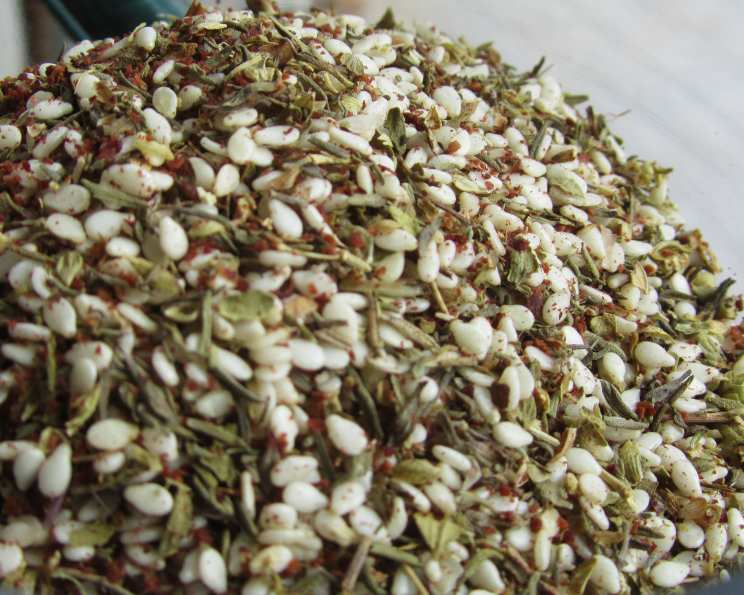
The Magic of Za’atar: A Journey Through Flavor
The first time I encountered za’atar, it wasn’t in a bustling Middle Eastern market, but in my grandmother’s humble kitchen. Sunlight streamed through the window, illuminating dust motes dancing in the air as she sprinkled the fragrant blend onto warm pita bread, drizzled with olive oil. The aroma – earthy, tangy, and subtly sweet – transported me to a place I’d never been, a place filled with ancient spices and sun-drenched landscapes. That simple snack sparked a lifelong fascination with za’atar, a love affair I’m excited to share with you.
Recipe Overview
- Prep Time: 5 minutes
- Cook Time: 0 minutes
- Total Time: 5 minutes
- Yields: 5 1/2 Tbsp
- Dietary Type: Vegan, Gluten-Free
Ingredients
- 2 tablespoons sesame seeds, dry roasted
- 1 1/2 tablespoons dried thyme, crumbled
- 1 tablespoon dried marjoram or 1 tablespoon oregano, crumbled
- 1 tablespoon ground sumac
Equipment Needed
- Small bowl for mixing
- Airtight container for storage
Instructions
- Begin by ensuring your sesame seeds are dry roasted. This step is crucial for unlocking their nutty flavor and adding depth to the za’atar. If you’re starting with raw seeds, spread them in a single layer on a dry skillet over medium heat. Toast them for a few minutes, stirring frequently, until they turn golden brown and fragrant. Watch them carefully, as they can burn quickly. Let them cool slightly before using.
- In a small bowl, combine the dry roasted sesame seeds, crumbled dried thyme, crumbled dried marjoram (or oregano), and ground sumac.
- Mix all the ingredients thoroughly until evenly distributed. Use your fingers to break up any clumps of herbs.
- Store the za’atar in a cool, dark place in an airtight container. This will help preserve its flavor and aroma.
Expert Tips & Tricks
- Roasting the Sesame Seeds: Don’t skip the toasting step! It makes a world of difference. The flavor deepens, and the texture becomes more pleasant.
- Herb Quality Matters: Use high-quality, freshly dried herbs for the best flavor. Older herbs tend to lose their potency.
- Adjust to Taste: This recipe is a guideline. Feel free to adjust the ratios of the ingredients to suit your personal preferences. Some people prefer a more dominant thyme flavor, while others enjoy a tangier blend.
- Spice It Up: For a little heat, add a pinch of red pepper flakes to the mixture.
- Make it Fresh: For the most vibrant flavor, make za’atar in small batches and use it within a few months.
Serving & Storage Suggestions
Za’atar is incredibly versatile and can be used in countless ways.
- Classic Dip: Mix za’atar with olive oil for a simple and delicious dip for pita bread, vegetables, or crusty bread.
- Meat and Vegetable Rub: Use za’atar as a dry rub for chicken, lamb, fish, or vegetables before roasting or grilling.
- Sprinkle On Top: Sprinkle za’atar over hummus, labneh, scrambled eggs, salads, or roasted potatoes.
- Baking: Incorporate za’atar into bread dough, pizza crust, or savory pastries.
- Storage: Store za’atar in an airtight container in a cool, dark place for up to 6 months. The flavor will gradually fade over time.
Nutritional Information
| Nutrient | Amount per Serving | % Daily Value |
|---|---|---|
| Calories | 22.8 kcal | N/A |
| Calories from Fat | 15 g | 68% |
| Total Fat | 1.7 g | 2% |
| Saturated Fat | 0.3 g | 1% |
| Cholesterol | 0 mg | 0% |
| Sodium | 1.2 mg | 0% |
| Total Carbohydrate | 1.7 g | 0% |
| Dietary Fiber | 0.9 g | 3% |
| Sugars | 0 g | 0% |
| Protein | 0.7 g | 1% |
Note: Nutritional information is an estimate and may vary based on specific ingredients and serving size.
Variations & Substitutions
- Sesame-Free Za’atar: For those with sesame allergies, sunflower seeds or pumpkin seeds can be used as a substitute, although the flavor profile will be different. Toast them as you would sesame seeds.
- Different Herbs: Experiment with other dried herbs such as hyssop (the traditional za’atar herb), savory, or even a touch of mint.
- Spice Levels: Adjust the amount of sumac to control the tanginess. Add a pinch of chili flakes for heat.
- Citrus Zest: Add a teaspoon of lemon or orange zest for a brighter, more aromatic blend.
- Nutty Twist: Incorporate toasted pine nuts or chopped walnuts for added texture and richness.
FAQs (Frequently Asked Questions)
Q: What is sumac, and where can I find it?
A: Sumac is a tangy, crimson-colored spice derived from the berries of the sumac tree. It has a lemony flavor. You can find it in Middle Eastern grocery stores, spice shops, or online retailers.
Q: Can I use fresh thyme instead of dried thyme?
A: While fresh thyme has a lovely aroma, it’s best to use dried thyme for za’atar because the moisture in fresh herbs can affect the shelf life of the blend.
Q: How long does za’atar last?
A: When stored properly in an airtight container in a cool, dark place, za’atar can last for up to 6 months. However, the flavor will gradually fade over time.
Q: What is the best way to eat za’atar?
A: There is no single “best” way! Za’atar is incredibly versatile and can be used in countless ways. Experiment and find your favorite applications. Dipping bread in za’atar and olive oil is a great starting point.
Q: Can I make za’atar without sumac?
A: While sumac is a key component of traditional za’atar, you can omit it if you don’t have it on hand. However, the flavor will be noticeably different. Consider adding a squeeze of lemon juice to mimic the tanginess.
Final Thoughts
Za’atar is more than just a spice blend; it’s a culinary adventure, a journey through ancient flavors and vibrant traditions. I encourage you to try this recipe, experiment with different variations, and discover your own favorite ways to use this magical spice. Share your creations with friends and family, and let the aroma of za’atar fill your kitchen with warmth and joy. And please, share your feedback, your twists, and your za’atar stories with me. Happy cooking!