
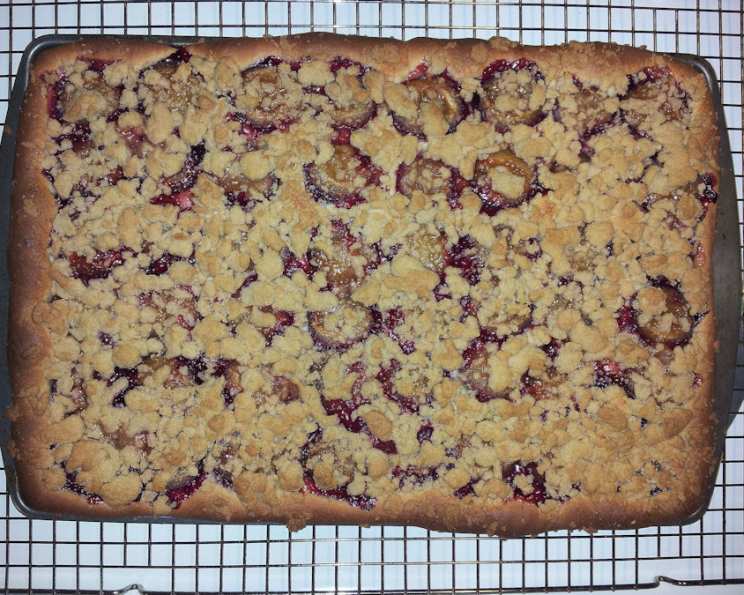
Zwetschgenkuchen: A Taste of Bavarian Summer
The aroma alone transports me back to my Oma’s kitchen in the Bavarian Alps. Sunlight streamed through the window, illuminating the dust motes dancing above the checkered tablecloth as she carefully arranged glistening, dark purple plums on a yeasty dough. The sweet-tart scent of the plums mingled with the comforting aroma of baking bread, a symphony of summer memories that I can almost taste on the tip of my tongue even now. This Zwetschgenkuchen, or Bavarian plum cake, is more than just a dessert; it’s a tangible connection to my heritage and a reminder of simpler, sweeter times.
Recipe Overview
- Prep Time: 4 hours
- Cook Time: 30-40 minutes
- Total Time: 4 hours 40 minutes
- Servings: 12
- Yield: 1 baking sheet cake
- Dietary Type: Varies (can be adapted to dairy-free)
Ingredients
For the Dough:
- 4 cups all-purpose flour
- 1/2 cup (1 stick) unsalted butter, softened
- 1 egg
- 1/4 cup sugar, plus 1 tablespoon sugar
- 1/4 ounce (1 package) active dry yeast
- 1/4 teaspoon salt
- 1 cup milk, lukewarm
For the Crumb Topping (optional):
- 1 cup unsalted butter, cut into tiny cubes
- 1 cup sugar
- 2-3 tablespoons sugar with a teaspoon vanilla extract (or 1 package Vanilla Sugar)
- 1 1/2 – 2 1/2 cups flour
Additional Ingredients:
- 2 lbs plums (Italian Prune Plums)
- 2-3 teaspoons sugar
- Whipped cream, for garnish (optional)
Equipment Needed
- Small bowl
- Large mixing bowl
- Baking sheet
- Rolling pin
Instructions
-
Activate the yeast: In a small bowl, combine the yeast and half of the lukewarm milk. Mix in 2 tablespoons of the flour and 1 teaspoon of the sugar. Allow this mixture to sit in a warm place for 1 hour, or until foamy and activated. This step is crucial for ensuring a light and airy dough.
-
Prepare the dough: In a large mixing bowl, combine the remaining dough ingredients – the flour, softened butter, egg, sugar, salt, and remaining lukewarm milk. Add the activated yeast mixture.
-
Knead the dough: Mix the ingredients until a smooth dough forms. Then, knead the dough by hand on a lightly floured surface for about 5-7 minutes, until it becomes elastic and smooth. Alternatively, use a stand mixer with a dough hook attachment.
-
First rise: Place the dough in a lightly oiled bowl, turning to coat. Cover the bowl with a clean kitchen towel or plastic wrap. Allow the dough to sit in a warm place until it has doubled in volume, which should take approximately 1-2 hours. This rise is essential for developing the characteristic flavor and texture of the cake.
-
Preheat the oven: Preheat your oven to 350°F (175°C).
-
Prepare the baking sheet: Grease a baking sheet thoroughly with butter or cooking spray to prevent the cake from sticking.
-
Roll out the dough: On a lightly floured surface, roll out the dough to fit the size of the prepared baking sheet.
-
Transfer the dough: Carefully transfer the rolled-out dough to the greased baking sheet. Gently press it into the corners to ensure it covers the entire surface.
-
Prepare the plums: Wash the plums thoroughly and remove any stems. Slice each plum in half lengthwise and remove the stones (pits).
-
Arrange the plums: Arrange the plum halves evenly on the dough. It’s important that the plums are not lying flat; instead, they should be standing stem-side up, slightly nestled into the dough. This allows the juices to bake into the cake and prevents the crust from becoming soggy.
-
Sprinkle with sugar: Sprinkle the plums evenly with 2-3 teaspoons of sugar. The sugar will caramelize during baking, enhancing the plums’ natural sweetness.
-
Prepare the crumb topping (optional): In a medium bowl, prepare the crumb topping. Combine the butter (cut into tiny cubes), sugar, and vanilla sugar (or sugar with vanilla extract). Gradually work in the flour until the mixture becomes dry and crumbly. Use your fingertips to rub the ingredients together, creating coarse crumbs.
-
Sprinkle the crumbs: If using, sprinkle the crumb topping evenly over the dough and plums, distributing them evenly.
-
Second rise: Allow the cake to sit and rise for another 30 minutes. This second rise helps to create a lighter and more tender final product.
-
Bake the cake: Bake the cake in the preheated oven for around 30-40 minutes, or until the crumbs (if using) and the crust become golden brown. The plums should be soft and slightly caramelized. To check for doneness, insert a toothpick into the center of the crust; it should come out clean.
-
Cool the cake: Remove the cake from the oven and allow it to cool completely on the baking sheet before slicing and serving.
-
Serve: Serve the Zwetschgenkuchen at room temperature, ideally with a dollop of fresh whipped cream for a classic touch.
Expert Tips & Tricks
- Use ripe but firm plums: Overripe plums will become too mushy during baking, while underripe plums will be too tart. Look for plums that are slightly firm to the touch.
- Chill the butter for the crumb topping: Using cold butter ensures that the crumb topping remains crumbly during baking, rather than melting into a flat layer.
- Don’t overcrowd the plums: Leaving some space between the plums allows the heat to circulate properly and prevents the cake from becoming too soggy.
- For a richer flavor, brush the crust with melted butter after baking.
- If the crust starts to brown too quickly, tent the cake with foil during the last 10-15 minutes of baking.
Serving & Storage Suggestions
Zwetschgenkuchen is best served at room temperature. A dollop of freshly whipped cream adds a lovely richness and complements the tartness of the plums. You can also serve it with a scoop of vanilla ice cream or a dusting of powdered sugar.
Leftovers can be stored in an airtight container at room temperature for up to 2 days, or in the refrigerator for up to 4 days. To reheat, warm individual slices in the microwave for a few seconds or in a low oven until heated through. You can also freeze the cake for longer storage. Wrap individual slices tightly in plastic wrap and then in foil. Frozen cake will keep for up to 2 months. Thaw overnight in the refrigerator before serving.
Nutritional Information
Note: Nutritional information is an estimate and may vary based on specific ingredients and portion sizes.
| Nutrient | Amount per Serving | % Daily Value |
|---|---|---|
| Calories | 468 kcal | 23% |
| Total Fat | 22g | 34% |
| Saturated Fat | 14g | 70% |
| Cholesterol | 65mg | 22% |
| Sodium | 55mg | 2% |
| Total Carbohydrate | 62g | 21% |
| Dietary Fiber | 2g | 8% |
| Sugars | 25g | – |
| Protein | 6g | 12% |
Variations & Substitutions
- Gluten-Free: Substitute the all-purpose flour with a gluten-free all-purpose blend. Be sure to add a binding agent like xanthan gum if the blend doesn’t already contain it.
- Dairy-Free: Use a plant-based butter alternative for the dough and crumb topping. Almond milk, soy milk, or oat milk can be used in place of cow’s milk.
- Spice it up: Add a pinch of cinnamon, nutmeg, or cardamom to the dough or crumb topping for a warmer, more complex flavor.
- Other fruits: While Zwetschgenkuchen is traditionally made with Italian prune plums, you can experiment with other fruits like apricots, peaches, or blueberries.
- Streusel topping: Replace the crumb topping with a classic streusel made from flour, butter, and sugar. Add chopped nuts for extra flavor and texture.
FAQs (Frequently Asked Questions)
Q: Can I use frozen plums for this recipe?
A: Yes, you can use frozen plums, but make sure to thaw them completely and drain off any excess liquid before arranging them on the dough.
Q: How do I know when the dough has risen enough?
A: The dough has risen enough when it has doubled in volume. Gently press a finger into the dough; if the indentation remains, the dough is ready to be punched down and used.
Q: Can I make the dough ahead of time?
A: Yes, you can make the dough ahead of time. After the first rise, punch down the dough, wrap it tightly in plastic wrap, and refrigerate it for up to 24 hours. Allow the dough to come to room temperature before rolling it out.
Q: What is Vanilla Sugar?
A: Vanilla sugar is granulated sugar that has been infused with vanilla flavor. You can buy it pre-made or make your own by storing a vanilla bean in a jar of sugar for a few weeks.
Q: My crumb topping is too dry. What should I do?
A: Add a tablespoon or two of melted butter to the crumb topping and mix until the mixture comes together.
Final Thoughts
I hope this recipe inspires you to create your own batch of Zwetschgenkuchen and experience the flavors of a traditional Bavarian summer. Don’t be afraid to experiment with variations and make it your own. Whether you serve it with whipped cream, ice cream, or simply enjoy it on its own, I’m confident that this cake will become a beloved addition to your baking repertoire. Please feel free to share your feedback and any creative twists you try. Guten Appetit!