
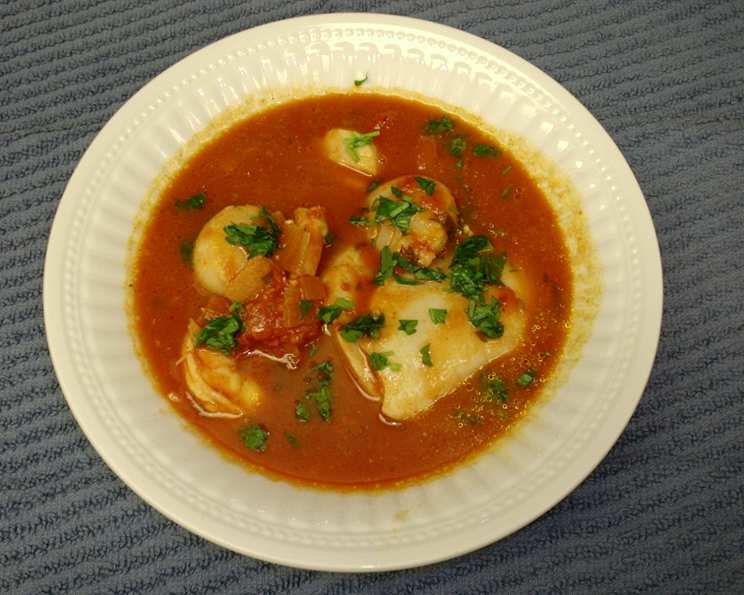
Cajun Bouillabaisse: A Taste of the Bayou in a Bowl
The first time I tasted bouillabaisse, it wasn’t in a fancy Marseilles bistro overlooking the Mediterranean. It was in my grandfather’s small, humid kitchen in Louisiana, thick with the scent of spices and the low hum of a simmering pot. Paw-Paw, as we called him, had adapted the classic French dish to his Cajun palate, swapping out Mediterranean fish for Gulf Coast treasures and adding a fiery kick that would make your taste buds sing. It wasn’t just soup; it was a story, a legacy poured into a bowl.
Recipe Overview
- Prep Time: 20 minutes
- Cook Time: 30 minutes
- Total Time: 50 minutes
- Servings: 6
- Yield: 8-9 cups
- Dietary Type: Pescatarian
Ingredients
- 1/4 cup olive oil
- 3 celery stalks, chopped into 1/2-inch dice
- 2 medium onions, chopped into 1/2-inch dice
- 1 green bell pepper, chopped into 1/2-inch dice
- 4 garlic cloves, minced
- 1 teaspoon dried thyme
- 2 bay leaves
- 4 cups crushed tomatoes (fresh or canned)
- 1 cup bottled clam juice
- 1/2 teaspoon fennel seed
- 1 large pinch saffron
- Salt and pepper, to taste
- 2 tablespoons chopped parsley
- 1 1/2 lbs mussels or 1 1/2 lbs clams
- 1 lb shrimp, shelled
- 1 lb scallops, cut in half
- 1 lb red snapper or 1 lb cod, cut into chunks
- 1 cup dry white wine
Equipment Needed
- Dutch oven or large, heavy-bottomed pot
- Cutting board
- Sharp knife
- Soup plates
Instructions
-
Heat the olive oil in a Dutch oven over medium heat.
-
Add the chopped celery, onions, and green bell pepper. Cook for about 5 minutes, stirring occasionally, until the vegetables begin to soften.
-
Add the minced garlic, dried thyme, and bay leaves. Cook for another minute, stirring constantly, until fragrant. Be careful not to burn the garlic.
-
Pour in the crushed tomatoes, clam juice, and dry white wine. Stir to combine.
-
Add the fennel seed, saffron, salt, pepper, and chopped parsley.
-
Bring the mixture to a simmer, then reduce the heat to low, cover, and simmer for 15 minutes to allow the flavors to meld together beautifully.
-
While the base simmers, prepare the seafood. Scrub the mussels thoroughly, removing any beards. If using clams, scrub them as well. Ensure all seafood is fresh and smells of the ocean. Discard any mussels or clams that are open and do not close when tapped.
-
After the base has simmered for 15 minutes, gently add the mussels (or clams), shrimp, scallops (cut in half if large), and the red snapper or cod (cut into chunks).
-
Increase the heat slightly to bring the bouillabaisse back to a gentle simmer. Cover and cook for 15 minutes, or until the mussels (or clams) have opened and the seafood is cooked through. Be careful not to overcook the fish, as it will become dry and rubbery. Discard any mussels or clams that do not open during cooking.
-
Gently stir the bouillabaisse before serving, being careful not to break up the fish.
-
Serve hot in soup plates, accompanied by crusty French bread for dipping into the flavorful broth. A dollop of rouille (a Provençal sauce made with olive oil, garlic, saffron, and chili peppers) is a classic accompaniment if you want to take this dish to the next level.
Expert Tips & Tricks
- Build the flavor: Don’t rush the initial sautéing of the vegetables. Allowing them to soften and caramelize slightly will create a richer, deeper flavor base for your bouillabaisse.
- Spice it up: For an extra Cajun kick, add a pinch of cayenne pepper or a dash of your favorite hot sauce to the simmering broth.
- Freshness matters: Use the freshest seafood you can find. The quality of the seafood will directly impact the flavor of the dish.
- Deglaze the pot: If any bits of vegetables or garlic stick to the bottom of the pot while sautéing, deglaze it with a splash of the white wine before adding the tomatoes. This will loosen the flavorful fond and add depth to the broth.
- Make ahead: The base of the bouillabaisse (vegetables, tomatoes, broth, and spices) can be made a day in advance. Store it in the refrigerator and add the seafood just before serving.
Serving & Storage Suggestions
Serve your Cajun bouillabaisse hot, directly from the pot, into warmed soup bowls. Garnish with a sprinkle of fresh parsley and a drizzle of olive oil for an elegant presentation. The crusty French bread is essential for soaking up every last drop of the flavorful broth.
Leftover bouillabaisse can be stored in an airtight container in the refrigerator for up to 2 days. To reheat, gently warm the soup over low heat on the stovetop, stirring occasionally. Be careful not to overcook the seafood during reheating. Freezing is not recommended as it will change the texture of the seafood.
Nutritional Information
| Nutrient | Amount per Serving | % Daily Value |
|---|---|---|
| Calories | 500 kcal | N/A |
| Calories from Fat | 129 g | 26% |
| Total Fat | 14.4 g | 22% |
| Saturated Fat | 2.3 g | 11% |
| Cholesterol | 233.3 mg | 77% |
| Sodium | 1149.6 mg | 47% |
| Total Carbohydrate | 24.2 g | 8% |
| Dietary Fiber | 3.9 g | 15% |
| Sugars | 9.3 g | 37% |
| Protein | 60 g | 120% |
Note: Nutritional information is an estimate and may vary based on specific ingredients and portion sizes.
Variations & Substitutions
- Seafood variations: Feel free to experiment with different types of seafood. Crab, lobster, or other firm-fleshed fish can be added.
- Vegetarian option: Substitute the seafood with firm tofu or heart of palm to make it vegetarian. Use vegetable broth instead of clam juice.
- Spice level: Adjust the amount of cayenne pepper or hot sauce to control the spiciness of the dish.
- Wine substitution: If you don’t have white wine on hand, you can use chicken broth or vegetable broth in its place.
- Herbs: Fresh herbs like basil or oregano can be added along with the parsley for an extra layer of flavor.
FAQs (Frequently Asked Questions)
Q: Can I use frozen seafood?
A: Yes, you can use frozen seafood, but make sure it’s completely thawed before adding it to the bouillabaisse. Pat it dry to remove excess moisture.
Q: What if I don’t have saffron?
A: Saffron adds a unique flavor and color, but if you don’t have it, you can omit it or substitute it with a pinch of turmeric for color.
Q: How do I know when the mussels are cooked?
A: The mussels are cooked when they open. Discard any mussels that don’t open during cooking.
Q: Can I make this in a slow cooker?
A: While not traditional, you can adapt it. Sauté the vegetables first, then add everything to the slow cooker, adding the seafood in the last 30-45 minutes of cooking time.
Q: What should I serve with bouillabaisse?
A: Crusty French bread is the classic accompaniment. A side salad with a light vinaigrette also pairs well.
Final Thoughts
This Cajun bouillabaisse is more than just a recipe; it’s a journey to the heart of Louisiana cooking. I encourage you to gather your ingredients, put on some zydeco music, and let the flavors transport you. Don’t be afraid to experiment and make it your own. And most importantly, share it with the people you love. Bon appétit, y’all!