
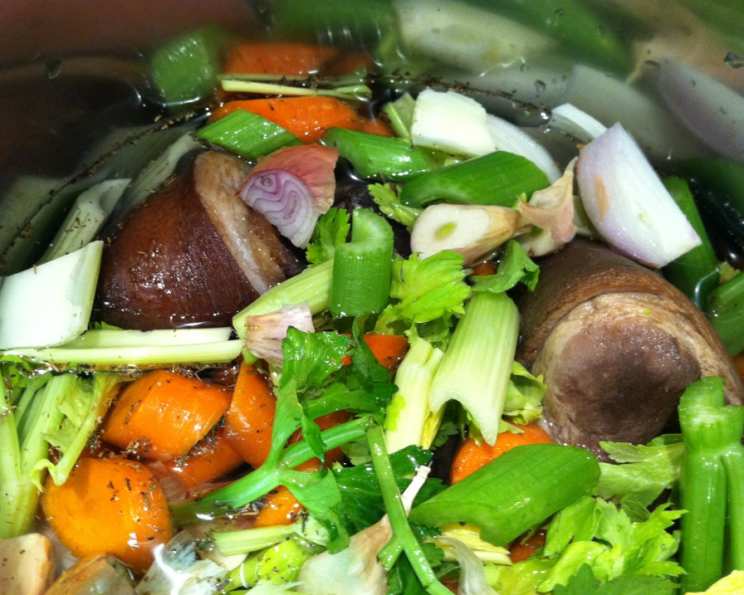
Ham Hock Stock: The Soul of Southern Cooking
The scent of simmering ham hocks is pure nostalgia for me. It instantly transports me back to my grandmother’s kitchen in rural Georgia. I can almost see her, apron-clad, tending a massive pot on the stove, the air thick with smoky, savory aromas. That stock, imbued with her love and patience, was the backbone of countless family meals. From tender collard greens braised to perfection to hearty black-eyed peas that promised good luck, it was the secret ingredient that elevated every dish to something truly special. This recipe is my homage to her, a way to keep her legacy alive, one flavorful pot at a time.
Recipe Overview
- Prep Time: 15 minutes
- Cook Time: 3 hours
- Total Time: 3 hours 15 minutes
- Yields: 4-6 cups
- Dietary Type: Not Applicable
Ingredients
- 2 lbs ham hocks
- Water, to cover
- 2 sprigs fresh thyme or 1 teaspoon dried thyme
- 1 bay leaf
- 1 large yellow onion, quartered
- 2 carrots, cut into 2 inch pieces
- 2 celery stalks, cut into 2 inch pieces
- 2 garlic cloves, cut in half
- 3 black peppercorns
Equipment Needed
- Large stock pot
- Fine sieve or strainer
- Large bowl
- Freezer bags (optional)
Instructions
-
Begin by placing the ham hocks in a large stock pot. It’s crucial to use a pot large enough to comfortably hold the hocks and all the liquid, ensuring even extraction of flavor.
-
Add the remaining ingredients to the pot: the thyme (fresh or dried), bay leaf, quartered yellow onion, carrots cut into 2-inch pieces, celery stalks cut into 2-inch pieces, halved garlic cloves, and black peppercorns. These aromatics will contribute depth and complexity to the finished stock.
-
Now, add water to the pot, ensuring that the ham hocks are covered by at least 2 inches. This ensures proper submersion for even cooking and flavor infusion.
-
Bring the mixture to a boil over high heat. Once boiling, stir the contents and immediately reduce the heat to medium-low. This prevents the stock from boiling too vigorously, which can result in a cloudy and less flavorful end product.
-
Simmer the stock, uncovered, over medium-low heat for approximately three hours. The key here is patience. You’ll want the liquid in the stock pot to reduce by about half, concentrating the flavors.
-
After three hours, carefully strain the stock through a fine sieve or strainer into a large bowl. This removes all the solids, leaving you with a clear and flavorful broth. Discard the solids.
-
Allow the strained stock to cool completely. Once cooled, cover the bowl tightly and refrigerate it overnight. This chilling period is essential for the fat to solidify, making it easier to remove.
-
The following morning, you’ll notice that the fat has solidified on top of the stock. Carefully remove this layer of fat. This step is crucial for a cleaner, less greasy stock, especially if you plan to use it in delicate sauces or soups.
-
At this point, you can either use the stock immediately or portion it out for storage. If desired, divide the stock into 2-cup amounts and transfer them to freezer bags. Label the bags with the date before sealing.
-
The stock can be stored in the refrigerator for up to 3 days or in the freezer for up to 4 months. Properly stored, the stock will maintain its flavor and quality.
Expert Tips & Tricks
- Roast the Ham Hocks First: For an even deeper, richer flavor, consider roasting the ham hocks in a 350°F oven for about 30-45 minutes before adding them to the stockpot. This caramelizes the meat and bones, enhancing the smoky notes.
- Don’t Over-Boil: Avoid a rolling boil throughout the simmering process. A gentle simmer is key to a clear and flavorful stock.
- Add Vegetable Scraps: Save your vegetable scraps (onion skins, carrot peels, celery ends) in the freezer and add them to the stockpot for extra flavor.
- Adjust Seasoning: While salt isn’t included in the initial recipe, taste the stock after straining and add salt as needed. Remember that the stock will be concentrated, so season lightly.
- Freeze in Ice Cube Trays: For smaller portions, freeze the stock in ice cube trays. Once frozen, transfer the cubes to a freezer bag for easy use in sauces and small dishes.
Serving & Storage Suggestions
Ham hock stock is incredibly versatile. Use it as a base for soups, stews, braised greens, and sauces. It adds a depth of flavor that’s hard to replicate with bouillon cubes. To serve, simply ladle the stock into bowls or use it as an ingredient in your favorite recipes.
Leftover stock should be stored properly to maintain its quality. Store in an airtight container in the refrigerator for up to 3 days or in the freezer for up to 4 months. To reheat, simply thaw the frozen stock in the refrigerator overnight or in a pot over low heat.
Nutritional Information
| Nutrient | Amount per Serving | % Daily Value |
|---|---|---|
| Calories | 33.2 kcal | N/A |
| Total Fat | 0.2 g | 0% |
| Saturated Fat | 0 g | 0% |
| Cholesterol | 0 mg | 0% |
| Sodium | 38.8 mg | 1% |
| Total Carbohydrate | 7.6 g | 2% |
| Dietary Fiber | 1.9 g | 7% |
| Sugars | 3.4 g | N/A |
| Protein | 0.9 g | 1% |
Nutritional information is an estimate and may vary.
Variations & Substitutions
- Smoked Turkey Legs: Substitute smoked turkey legs for the ham hocks for a different flavor profile.
- Vegetarian Option: While this recipe relies on ham hocks, you can create a vegetarian “ham” flavor by using smoked paprika, liquid smoke, and vegetable broth.
- Spicy Stock: Add a pinch of red pepper flakes or a chopped jalapeño to the stockpot for a touch of heat.
- Asian-Inspired Stock: Include ginger, garlic, and soy sauce for an Asian-inspired stock perfect for ramen or stir-fries.
FAQs (Frequently Asked Questions)
Q: Can I use pre-cooked ham hocks?
A: Yes, you can use pre-cooked ham hocks, but the stock might have a slightly less intense flavor. Reduce the simmering time by about an hour to prevent over-extraction.
Q: Why is it important to remove the fat from the stock?
A: Removing the fat results in a cleaner, less greasy stock that is more versatile in cooking. It also improves the stock’s clarity and overall flavor.
Q: Can I make this stock in a slow cooker?
A: Absolutely! Place all ingredients in a slow cooker, cover with water, and cook on low for 6-8 hours. Strain as directed.
Q: What can I do with the leftover ham hock meat?
A: Shred the meat from the ham hocks after straining the stock and use it in beans, soups, or sandwiches. It’s incredibly flavorful and adds a wonderful meaty element to any dish.
Q: My stock is cloudy. What did I do wrong?
A: A cloudy stock is usually caused by boiling too vigorously. Ensure you maintain a gentle simmer throughout the cooking process to avoid emulsifying fats and proteins.
Final Thoughts
Making ham hock stock is an act of love, a way to infuse your cooking with depth, soul, and a touch of Southern tradition. Don’t be intimidated by the time it takes – the result is well worth the effort. I urge you to try this recipe, experiment with variations, and share your culinary creations with those you love. Pair a bowl of black-eyed peas made with this stock with a slice of crusty cornbread and a glass of sweet tea for the ultimate Southern comfort meal. I hope this stock brings as much joy and flavor to your kitchen as it has to mine.