
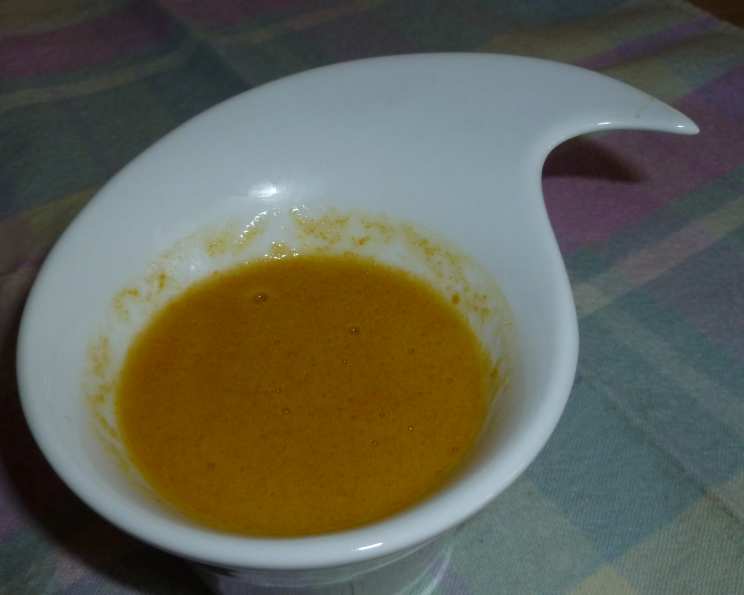
The Sunshine Custard: A Taste of St. John
I can still remember the first time I tasted mango custard. It was on a trip to St. John with my family. The air was thick with the scent of salt and plumeria, and the sun beat down on us as we explored the vibrant markets. A local woman, her face etched with warmth and wisdom, offered me a small bowl of this golden dessert. The cool, creamy texture and the burst of tropical sweetness was an absolute revelation – a perfect antidote to the Caribbean heat. It was sunshine in a bowl, and I’ve been chasing that flavor ever since. This recipe is my attempt to recapture that moment, to bring a little bit of St. John’s magic to your kitchen.
Recipe Overview
- Prep Time: 10 minutes
- Cook Time: 5 minutes
- Total Time: 15 minutes (plus chilling time)
- Servings: 6
- Yield: 6 servings
- Dietary Type: Gluten-Free
Ingredients
- 2 very ripe mangoes, peeled and cut into chunks, center seeds removed
- 1 teaspoon lemon juice
- 1 teaspoon coconut extract
- 1 cup skim milk
- 1/4 cup cornstarch
- 3 tablespoons firmly packed brown sugar
Equipment Needed
- Blender
- Small saucepan
- Whisk
- 1-quart shallow bowl
Instructions
-
Prepare the Mango Puree: In a blender container, combine the mango chunks, lemon juice, and coconut extract. Blend until completely smooth, ensuring no lumps remain. The puree should be vibrant and consistent in texture.
-
Combine Dry Ingredients: In a small saucepan, combine the skim milk, cornstarch, and brown sugar. Mix thoroughly with a whisk until the cornstarch is fully dissolved and no clumps are visible. This step is crucial to prevent a lumpy custard.
-
Incorporate Mango Puree: Stir the prepared mango mixture into the saucepan with the milk and cornstarch mixture. Ensure it’s evenly distributed.
-
Cook the Custard: Cook the mixture over medium heat, stirring constantly with a whisk. Continuous stirring is essential to prevent the cornstarch from settling and burning on the bottom of the pan.
-
Bring to a Boil: Continue cooking and stirring until the mixture comes to a boil. Once boiling, the custard will thicken rapidly.
-
Simmer and Thicken: After the mixture boils, continue to cook and stir for 2 full minutes, maintaining a gentle simmer. This step ensures the cornstarch is fully cooked, eliminating any starchy taste and providing the desired creamy texture.
-
Transfer to Bowl: Spoon the hot mango custard into a 1-quart shallow bowl. Using a shallow bowl helps the custard cool more quickly and evenly.
-
Chill Thoroughly: Chill the mango custard thoroughly in the refrigerator for at least 2 hours, or preferably longer, to allow it to set completely. The longer it chills, the firmer and more flavorful it will become. Cover the surface of the custard with plastic wrap pressed directly onto it to prevent a skin from forming.
Expert Tips & Tricks
- Mango Selection: Use the ripest mangoes you can find. The riper the mango, the sweeter and more flavorful the custard will be. Alphonso or Honey mangoes are particularly delicious, but any ripe, sweet variety will work.
- Preventing Lumps: Whisk the cornstarch and milk mixture very well before adding the mango puree. This is key to avoiding lumps in your final custard.
- Achieving the Perfect Texture: Don’t skimp on the stirring! Constant stirring over medium heat is what creates a smooth, creamy custard. If you see any lumps forming, whisk vigorously to break them down.
- Coconut Enhancement: For an extra layer of coconut flavor, toast some shredded coconut and sprinkle it on top of the chilled custard before serving.
- Citrus Zest: Add a little lime or orange zest during the last minute of cooking for a more complex flavor profile.
Serving & Storage Suggestions
Serve the chilled mango custard straight from the refrigerator. It’s a refreshing and light dessert that’s perfect on its own or as a complement to other tropical fruits. Garnish with fresh mango slices, a sprig of mint, or a sprinkle of toasted coconut for an elegant presentation.
Leftover mango custard should be stored in an airtight container in the refrigerator. It will keep for up to 3 days. While it can be frozen, the texture may change slightly upon thawing, becoming a bit grainier. If freezing, consume within 1 month. Reheating is not recommended, as it can alter the custard’s texture. It’s best enjoyed cold.
Nutritional Information
| Nutrient | Amount per Serving | % Daily Value |
|---|---|---|
| Calories | 132.4 kcal | N/A |
| Calories from Fat | 4 g | 4% |
| Total Fat | 0.5 g | 0% |
| Saturated Fat | 0.2 g | 0% |
| Cholesterol | 0.8 mg | 0% |
| Sodium | 27.8 mg | 1% |
| Total Carbohydrate | 30.8 g | 10% |
| Dietary Fiber | 1.8 g | 7% |
| Sugars | 22 g | N/A |
| Protein | 2.6 g | 5% |
Note: Nutritional information is an estimate and may vary based on specific ingredients and portion sizes.
Variations & Substitutions
- Dairy-Free Option: Substitute the skim milk with coconut milk or almond milk for a dairy-free version. Note that coconut milk will impart a distinct coconut flavor.
- Sweetener Swap: Replace brown sugar with honey, maple syrup, or a sugar substitute of your choice. Adjust the quantity to taste.
- Spice it Up: Add a pinch of ground cardamom or ginger to the custard while cooking for a warm, aromatic twist.
- Layered Dessert: Create a layered parfait by alternating the mango custard with layers of granola, crushed graham crackers, or chopped nuts.
- Add some zest: A little lime or orange zest during the last minute of cooking for a more complex flavor profile.
FAQs (Frequently Asked Questions)
Q: Can I use frozen mango instead of fresh?
A: Yes, you can use frozen mango. Just make sure to thaw it completely and drain any excess liquid before blending. The flavor might be slightly different, but it’s a good alternative when fresh mangoes are not available.
Q: My custard is too thick/thin. What did I do wrong?
A: If the custard is too thick, you may have overcooked it. Next time, reduce the cooking time slightly. If it’s too thin, ensure you cook it for the full two minutes after it starts boiling to fully activate the cornstarch.
Q: Can I make this custard ahead of time?
A: Absolutely! In fact, chilling it for at least 2 hours is crucial for it to set properly. You can easily make it a day in advance.
Q: How can I prevent a skin from forming on top while it’s chilling?
A: Press a piece of plastic wrap directly onto the surface of the custard before chilling. This will prevent a skin from forming.
Q: Can I add other fruits to this custard?
A: Yes, you can experiment with other tropical fruits like pineapple or papaya. Adjust the quantities to maintain the desired flavor balance.
Final Thoughts
This Mango Custard is more than just a dessert; it’s a journey to a sun-drenched island, a taste of pure bliss. The simplicity of the ingredients and the ease of preparation make it a perfect treat for any occasion, from a casual weeknight dessert to a special celebration. I encourage you to try this recipe and share your creations with friends and family. Feel free to experiment with the variations and substitutions to make it your own. And most importantly, savor every spoonful of this delightful taste of St. John!