
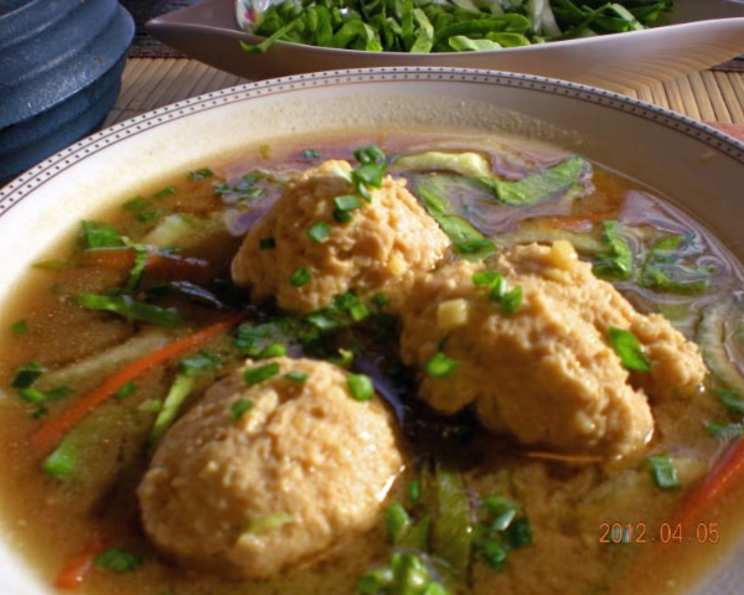
Tsumire: Comforting Japanese Nabe Meatballs
I remember the first time I had Tsumire. It was during a particularly brutal winter in Hokkaido. The snow was piled high, and the wind howled relentlessly. My host mother, a woman with hands as weathered as an ancient oak, ladled a steaming bowl of nabe in front of me. The broth, fragrant with dashi and soy sauce, held an array of vegetables and, bobbing serenely on the surface, were these delicate, savory meatballs. They were soft, almost ethereal, and each bite was a burst of warmth that chased away the winter chill. That day, Tsumire wasn’t just food; it was a hug from the inside out, a taste of home in a faraway land.
Recipe Overview
- Prep Time: 15 minutes
- Cook Time: 15 minutes
- Total Time: 30 minutes
- Servings: 4
- Dietary Type: Varies based on nabe ingredients (can be gluten-free, dairy-free)
Ingredients
- 1 lb ground chicken or ground pork
- ¼ cup miso (to taste)
- ¼ cup sake
- ¼ cup fresh ginger, grated
- 1 egg
- Flour or starch, as needed
- Green onion, chopped (optional)
Equipment Needed
- Medium bowl
- Spoon
- Pot for Nabe (Japanese hot pot)
Instructions
-
Begin by preparing the miso mixture. In a small bowl, combine the sake and miso. Whisk together until the miso is fully dissolved. This step is crucial because it ensures the miso is evenly distributed throughout the meatball mixture, preventing clumps of intense saltiness.
-
In a medium bowl, combine the ground chicken or pork, the dissolved miso and sake mixture, the grated fresh ginger, and the egg.
-
Gently mix all the ingredients together with your hands or a spoon. Be careful not to overmix. Overmixing can lead to tough meatballs. The goal is to just combine the ingredients until they are evenly distributed.
-
This is where a little finesse comes in. Gradually add flour or starch to the mixture, a tablespoon at a time, mixing after each addition. The amount of flour or starch you’ll need depends on the moisture content of the ground meat. You want to add just enough to bind the mixture together so the meatballs don’t fall apart in the nabe broth, but not so much that they become dense and chewy.
-
At this point, it’s wise to perform a taste and texture test. Bring your nabe broth to a boil. Take a small spoonful of the meatball mixture and gently drop it into the boiling broth. Let it cook for a few minutes, then remove it and taste it. Adjust the seasoning of the meatball mixture if needed. If the meatball is too soft and falls apart, add a little more flour or starch. If it’s too tough, add a splash more sake or a little water.
-
Once you’re satisfied with the taste and texture of the test meatball, bring the nabe broth to a gentle boil. Using a spoon, drop spoonfuls of the meatball mixture into the boiling broth. Don’t worry about making them perfectly round; the mixture should be soft, resulting in rustic, irregular shapes.
-
Cook the tsumire meatballs for about 5-7 minutes, or until they are cooked through. They should float to the surface and be firm to the touch. Avoid overcrowding the nabe; cook the meatballs in batches if necessary.
-
If desired, garnish with freshly chopped green onion before serving.
Expert Tips & Tricks
- Ginger Power: Don’t be shy with the ginger! It adds a wonderful warmth and spiciness to the meatballs.
- Miso Magic: The type of miso you use will affect the flavor of the meatballs. White miso is milder and sweeter, while red miso is more robust and savory. Experiment to find your favorite!
- Broth Brilliance: The flavor of the nabe broth will infuse the tsumire meatballs, so make sure it’s delicious. A good dashi is essential, and you can customize it with soy sauce, mirin, and other seasonings to your liking.
- Make-Ahead Marvel: The meatball mixture can be prepared ahead of time and stored in the refrigerator for up to 24 hours. This is a great way to save time when you’re preparing a nabe for a crowd.
- Gentle Giants: For larger, more substantial meatballs, gently shape the mixture with your hands before dropping them into the broth. However, be careful not to compact them too much, or they will become tough.
Serving & Storage Suggestions
Tsumire are best served hot, straight from the nabe. Ladle them into bowls along with the flavorful broth and other nabe ingredients. They are a delicious and comforting addition to any Japanese hot pot meal.
Leftover tsumire can be stored in an airtight container in the refrigerator for up to 3 days. To reheat, gently simmer them in broth or add them to a soup. They can also be frozen for longer storage. Thaw them in the refrigerator overnight before reheating.
Nutritional Information
| Nutrient | Amount per Serving | % Daily Value |
|---|---|---|
| Calories | 250 kcal | 13% |
| Total Fat | 12g | 18% |
| Saturated Fat | 3g | 15% |
| Cholesterol | 100mg | 33% |
| Sodium | 600mg | 25% |
| Total Carbohydrate | 5g | 2% |
| Dietary Fiber | 1g | 4% |
| Sugars | 2g | 4% |
| Protein | 25g | 50% |
Note: Nutritional information is an estimate and may vary based on specific ingredients and preparation methods.
Variations & Substitutions
- Gluten-Free: Use tapioca starch or rice flour instead of wheat flour to make these meatballs gluten-free.
- Vegetarian Tsumire: Substitute the ground meat with finely chopped mushrooms and tofu. Add some cooked rice to help bind the mixture.
- Spicy Kick: Add a pinch of red pepper flakes or a teaspoon of gochujang (Korean chili paste) to the meatball mixture for a spicy kick.
- Seafood Tsumire: Use ground shrimp or fish instead of ground meat for a seafood variation. Add some finely chopped seaweed for extra flavor.
- Herbaceous Tsumire: Add some finely chopped shiso leaves, mitsuba, or cilantro to the meatball mixture for a fresh, herbaceous flavor.
FAQs (Frequently Asked Questions)
Q: Can I use frozen ground meat for Tsumire?
A: Yes, but make sure to thaw it completely and drain any excess liquid before using it. Excess moisture can make the meatballs too soft.
Q: How do I prevent the meatballs from sticking to the pot?
A: Make sure the nabe broth is at a gentle boil, not a raging boil. Also, don’t overcrowd the pot.
Q: Can I add vegetables to the meatball mixture?
A: Absolutely! Finely chopped carrots, celery, or water chestnuts can add flavor and texture.
Q: Can I make these in advance and freeze them?
A: Yes, you can freeze the uncooked meatballs. Place them on a baking sheet lined with parchment paper and freeze until solid. Then, transfer them to a freezer bag or container. Cook them directly from frozen, adding a few extra minutes to the cooking time.
Q: What is Nabe?
A: Nabe is a Japanese hot pot dish consisting of a broth in which various ingredients, such as meats, seafood, vegetables, and tofu, are cooked together at the table.
Final Thoughts
Tsumire are more than just meatballs; they are a symbol of warmth, comfort, and togetherness. The simple act of sharing a nabe with loved ones is a deeply ingrained tradition in Japanese culture. I encourage you to try this recipe and experience the joy of creating and sharing this delicious and comforting dish. Don’t be afraid to experiment with different flavors and ingredients to make it your own. And most importantly, enjoy the process and the company!